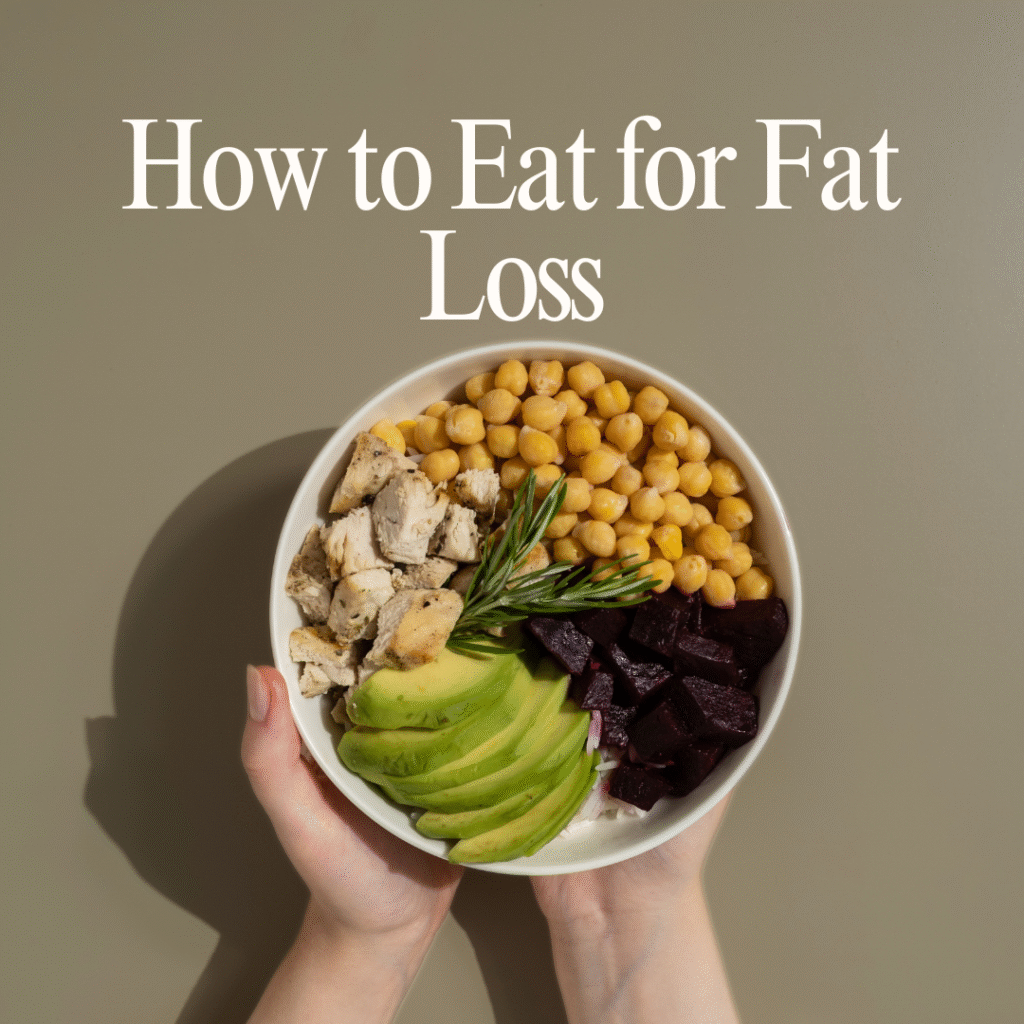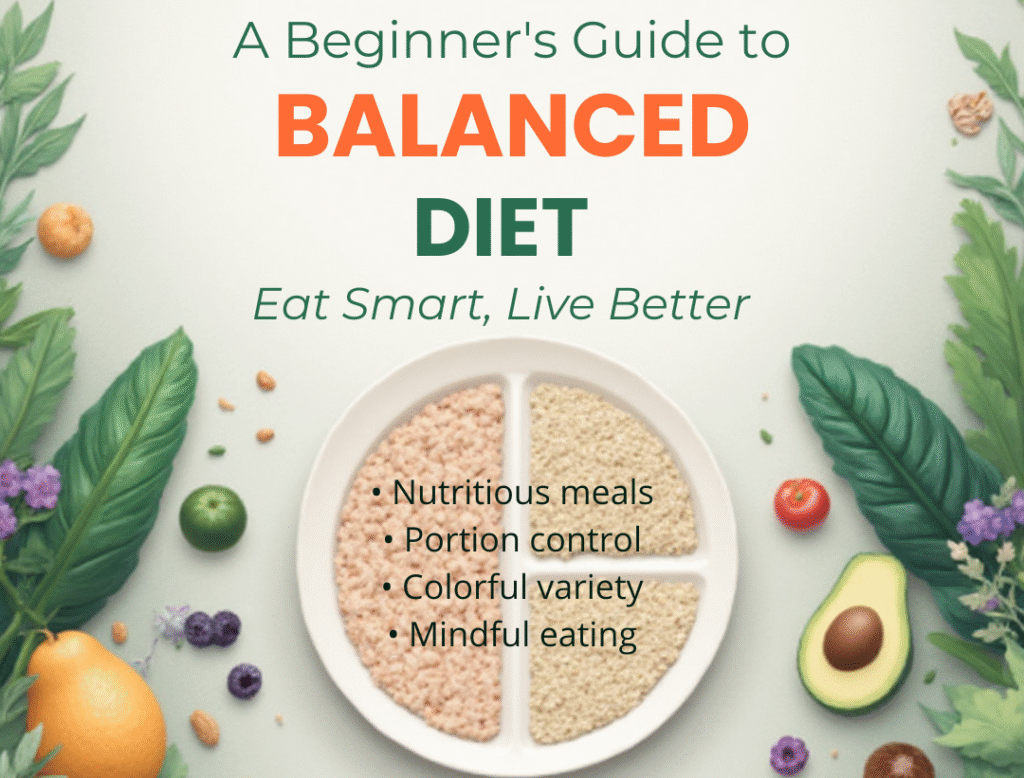
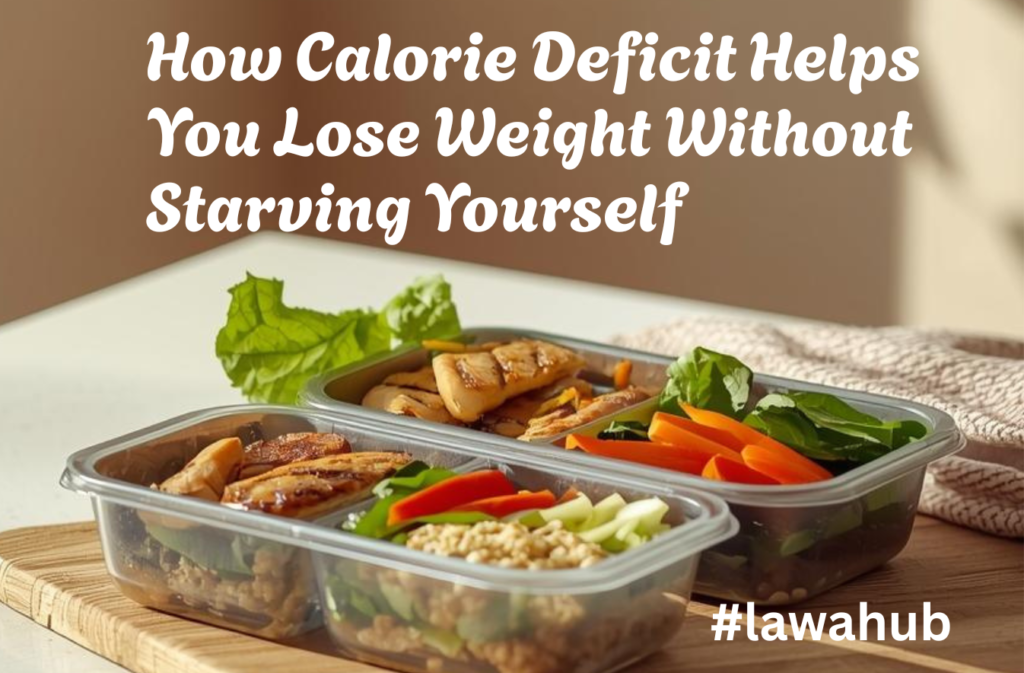
Losing weight doesn’t have to be complicated, exhausting, or involve extreme diets. Many people believe that to lose fat, they must drastically reduce food intake or skip meals, but this approach rarely works long-term. In reality, the key lies in understanding how calorie deficit helps you lose weight in a healthy and sustainable way. By following a healthy calorie deficit approach, you can achieve fat loss while still enjoying meals, feeling satisfied, and maintaining energy throughout the day.
In this guide, you’ll learn:
- What a calorie deficit is and why it works
- How to lose weight without feeling hungry
- Foods and lifestyle tips that support fat loss
- Common mistakes to avoid
- A simple calorie deficit plan for beginners
By the end of this article, you’ll understand how to lose weight naturally without feeling deprived or exhausted.
What Is a Calorie Deficit? (Calorie Deficit Explained Simply)
A calorie deficit occurs when your body burns more calories than it consumes through food and drinks. Calories are the units of energy your body uses to fuel every process, from breathing and thinking to exercising and digesting food. When you consume fewer calories than your body needs, it begins to use stored fat for energy—this is the mechanism behind weight loss.
The formula is simple:
Calories In < Calories Out = Weight Loss
This principle is the foundation of all fat loss strategies. However, creating a calorie deficit doesn’t mean starving yourself. Instead, it’s about consuming slightly fewer calories than your body burns while still getting enough nutrition to stay healthy. A safe calorie deficit for beginners typically involves reducing your daily intake by 300–500 calories from your maintenance level, which is enough to see gradual fat loss without extreme hunger.
Why Calorie Deficit Helps You Lose Weight
When your body is in a calorie deficit:
- It burns stored fat for energy.
- Your metabolism remains active.
- You lose weight gradually and sustainably.
Extreme calorie cutting, however, can backfire. Eating too little can slow your metabolism, increase cravings, cause fatigue, and even trigger muscle loss. A moderate deficit is safer and more effective, allowing your body to adjust gradually.
Additionally, creating a calorie deficit doesn’t require intense exercise or a perfect diet. Even small changes in eating habits and activity level can create a meaningful deficit over time. That’s why this approach is often called a realistic weight loss tip.
How to Determine Your Calorie Needs
Before creating a deficit, you need to know how many calories your body burns each day—your—your maintenance calories. This depends on factors such as:
- Age: Younger people generally burn more calories
- Weight and body composition: Muscle burns more calories than fat
- Height: Taller people tend to have higher energy needs
- Activity level: Sedentary vs. active lifestyles
Once you estimate your maintenance calories, subtract 300–500 calories per day to create a manageable deficit.
Example: If your body needs 2,000 calories to maintain weight, consuming 1,700–1,800 calories per day can help you lose fat steadily without feeling hungry or deprived. Tracking your calories for a few days using an app or journal can help you understand your current eating habits and identify where small changes can make a big difference.
How to Lose Weight Without Feeling Hungry
One of the most common concerns about calorie deficit is hunger. Fortunately, there are several strategies that allow you to lose weight naturally without feeling hungry:
1. Eat Filling Foods (High Volume, Low Calories)
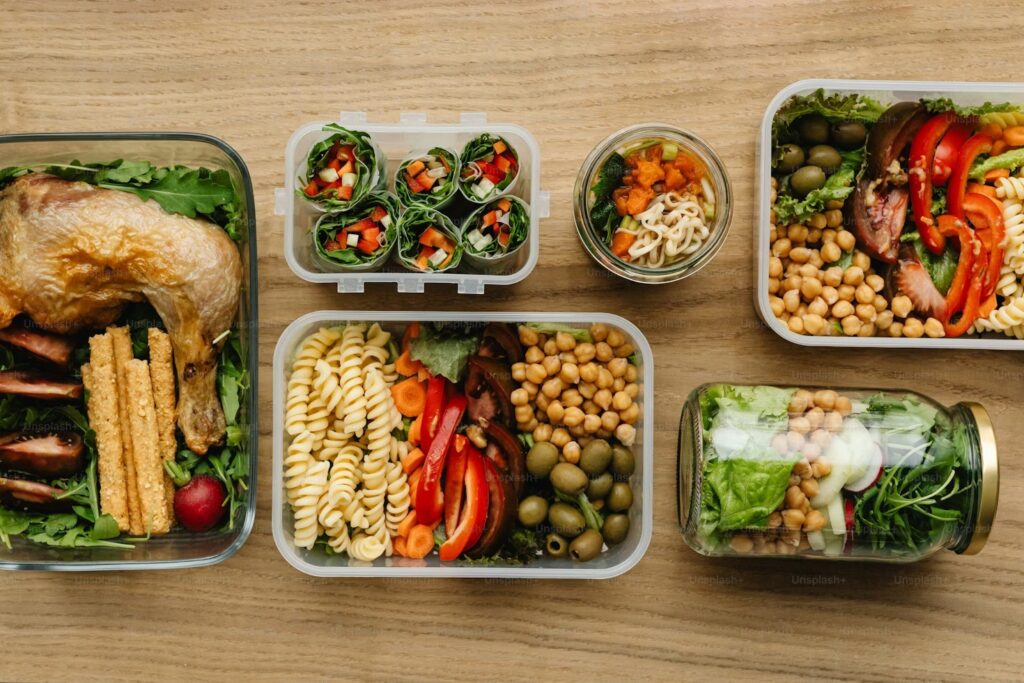
Not all calories are equal when it comes to satiety. Some foods help you feel fuller with fewer calories, making it easier to stick to a deficit. Focus on:
- Vegetables like broccoli, spinach, cauliflower, and peppers
- Fruits such as berries, apples, oranges, and melons
- Whole grains like oats, quinoa, and brown rice
- Lean proteins like chicken, turkey, eggs, and fish
- Legumes such as beans, lentils, and chickpeas
These foods are rich in fiber and water, which slow digestion and keep you full longer. Including them in meals supports a healthy calorie deficit approach without the constant hunger that comes from low-nutrient, calorie-dense foods.
2. Prioritize Protein at Every Meal
Protein is one of the most important nutrients for fat loss. It:
- Reduces hunger and cravings
- Preserves muscle while losing fat
- Increases the number of calories burned during digestion
Good sources include lean meat, fish, eggs, Greek yogurt, tofu, and legumes. A protein-rich breakfast, for example, can keep you satisfied for several hours and reduce mid-morning snacking.
3. Drink Water Before Meals
—allMany people confuse thirst with hunger. Drinking water 15–20 minutes before a meal can help you feel fuller and prevent overeating. Staying hydrated also supports metabolism, digestion, and overall energy levels — all of which help maintain a safe calorie deficit for beginners.
4. Spread Calories Throughout the Day
Eating several smaller meals or snacks helps stabilize blood sugar and reduces the likelihood of extreme hunger. Include healthy snacks like fruit, nuts, or yogurt between meals to avoid overeating at main meals. This approach makes it easier to maintain a realistic weight loss plan without feeling deprived.
5. Increase Daily Movement (Easy Ways to Burn Calories)
While diet plays a bigger role in weight loss, movement can boost your calorie deficit and improve overall health. You don’t need to spend hours in the gym. Simple ways to burn calories include:
- Walking 30–60 minutes daily
- Taking stairs instead of elevators
- Light strength training 2–3 times per week
- Doing stretches, yoga, or mobility exercises
Even small daily changes add up over time, making it easier to maintain a calorie deficit and achieve sustainable fat loss.

Common Mistakes to Avoid
Even with a calorie deficit, some mistakes can slow progress:
- Cutting calories too drastically: Eating too little can lead to fatigue, cravings, and a slowed metabolism.
- Eliminating all carbs: Whole grains, fruits, and vegetables are important for energy and satiety. Focus on limiting refined carbs instead.
- Neglecting strength training: Muscles burn more calories at rest, so skipping resistance exercises can reduce fat loss efficiency.
Avoiding these pitfalls will make your weight loss journey more sustainable and enjoyable.
Sample Daily Plan for a Healthy Calorie Deficit
Here’s a beginner-friendly plan that keeps calories in a deficit without hunger:
Breakfast: Scrambled eggs with spinach and an apple
Snack: Carrot sticks with hummus
Lunch: Grilled chicken salad with vegetables and a small portion of brown rice
Afternoon Snack: Greek yogurt with berries
Dinner: Baked fish with steamed vegetables and a side of sweet potato
This plan balances protein, fiber, and healthy fats to keep you full while promoting fat loss.
Tips to Make a Calorie Deficit Sustainable (Realistic Weight Loss Tips)
- Track your meals for a few days to understand your habits.
- Be flexible—one day of indulgence won’t ruin progress.
- Focus on gradual, consistent improvements rather than perfection.
- Balance healthy eating with social life and personal enjoyment.
- Set small, achievable goals to stay motivated.
These tips make it possible to stick to a simple calorie deficit plan long-term without feeling restricted.
Final Thoughts
Understanding how a calorie deficit helps you lose weight is essential for sustainable fat loss. The approach works when you:
- Maintain a moderate, manageable calorie deficit.
- Focus on nutrient-dense foods that keep you full.
- Incorporate movement and resistance training.
- Avoid extreme diets and calorie restriction.
Weight loss doesn’t need to involve hunger, stress, or complicated diet plans. With the right approach, you can lose weight naturally, stay satisfied, and enjoy the process while building habits that last a lifetime.