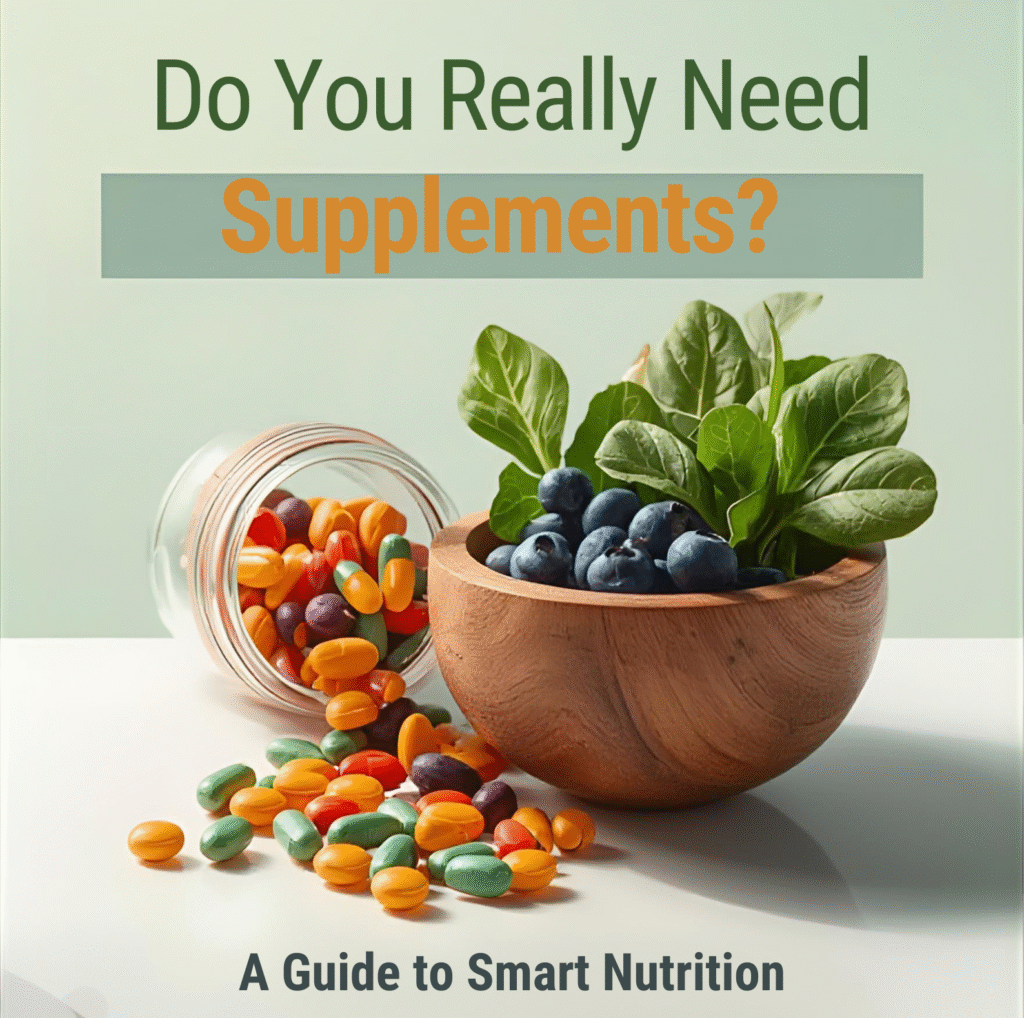
In a world full of fitness trends, diet fads, and flashy health products, it’s easy to wonder: Do I really need supplements? Whether you’re trying to build muscle, lose weight, boost energy, or simply stay healthy, the supplement aisle can feel overwhelming.
The truth is, supplements can help in certain cases, but they’re not magic pills. They are exactly what the name suggests—a “supplement” to a diet, not a replacement. In this guide, we’ll break down everything you need to know about supplements, nutrition, and smart ways to optimize your health naturally.
Why Supplements Are Popular
Supplements promise quick results, convenience, and improved performance. From protein powders and vitamins to fat burners and pre-workouts, the industry is booming. According to market research, the global dietary supplements market is projected to reach $230 billion by 2027.
People take supplements for various reasons:
- To fill nutritional gaps
- To support energy and immunity
- To enhance athletic performance
- To improve mental clarity and focus
- To prevent deficiencies
However, despite the hype, most people can get the nutrients they need from whole foods. Supplements are not a substitute for balanced meals.
Understanding Nutritional Gaps
Even with the best intentions, many people fall short of daily nutrient requirements. Busy schedules, restrictive diets, and lifestyle habits can make it hard to consume enough vitamins and minerals. Common deficiencies include:
- Vitamin D—essential for bone health and immunity
- Vitamin B12—important for energy and nervous system function, especially for vegetarians and vegans
- Iron—critical for blood health, more common in women
- Calcium—necessary for strong bones
- Omega-3 fatty acids—support heart, brain, and joint health.
Supplements can help fill these gaps when your diet alone isn’t enough, but they should be chosen wisely.
Whole Foods vs. Supplements: What’s Better?

When it comes to health, food comes first. Whole foods provide more than just vitamins—they deliver fiber, antioxidants, and compounds that supplements can’t replicate.
Benefits of whole foods:
- Balanced nutrition with macro- and micronutrients
- Improved digestion from natural fiber
- Antioxidants and phytochemicals that fight inflammation
- Better long-term sustainability
Supplements can support your diet, but they cannot replace the benefits of real, nutrient-dense foods. For example, eating salmon gives protein, omega-3s, vitamin D, and selenium, while a fish oil capsule provides only the omega-3s.
Common Supplements: What Works and What Doesn’t
Here’s a breakdown of popular supplements and their effectiveness:
1. Protein Powder
Best for: People who struggle to meet daily protein needs, athletes, and gym-goers.
- Whey protein: Fast-digesting, ideal post-workout
- Plant-based protein: Pea, soy, or rice protein for vegetarians/vegans
Tip: Protein powder is convenient, but whole food sources like eggs, chicken, beans, and Greek yogurt are preferable when possible.
2. Multivitamins
Best for: People with dietary restrictions or limited access to fresh produce.
- Can help fill minor nutrient gaps
- Not a replacement for a varied diet
- Look for brands tested for quality and purity.
3. Omega-3 Fatty Acids (Fish Oil)
Best for: Heart, brain, and joint health.
- Beneficial if you rarely eat fatty fish
- Provides EPA and DHA for overall wellness
4. Vitamin D
Best for: People living in areas with limited sun exposure or at risk of deficiency.
- Supports bones, immunity, and mood
- Recommended dosage should be checked with a healthcare professional.
5. Pre-Workout and Fat Burners
Best for: Boosting energy during workouts (pre-workout)
Caution: Fat burners often have limited effectiveness and may contain stimulants that can stress the heart.
Signs You Might Need Supplements

Not everyone needs supplements, but some indicators include:
- Chronic fatigue or low energy
- Frequent illnesses or slow recovery
- Restricted diets (vegan, vegetarian, keto)
- Digestive issues affecting nutrient absorption
- Diagnosed deficiencies by a doctor
Always consult a healthcare professional before starting any supplement, especially if you have medical conditions or take medications.
Smart Nutrition: The Foundation of Health
Supplements work best when your diet is already solid. Smart nutrition is about creating balance, variety, and consistency in your meals.
Key Principles of Smart Nutrition
- Eat a variety of foods—include vegetables, fruits, lean proteins, whole grains, and healthy fats.
- Prioritize Protein—Supports muscle, satiety, and metabolism.
- Focus on whole foods—limit processed foods and refined sugars.
- Mind Your Portions—Balance calorie intake with activity level.
- Stay Hydrated—Water aids digestion, energy, and metabolism.
- Listen to Your Body—Hunger cues, energy levels, and performance matter more than rigid diets.
By following these principles, most people can get the nutrients they need without excessive reliance on supplements.
Myths About Supplements
Myth 1: More Supplements = Better Health
Taking multiple supplements won’t make you healthier if your diet is poor. In some cases, excessive supplementation can harm your liver, kidneys, or heart.
Myth 2: Supplements Can Replace Meals
Supplements provide nutrients, not the complex benefits of whole foods. Eating real meals is essential for fiber, antioxidants, and long-term satiety.
Myth 3: You Must Take Supplements to Be Fit
Fitness, energy, and fat loss are achievable without a single supplement. Exercise, a balanced diet, sleep, and stress management matter most.
When Supplements Are Helpful

While whole foods should always come first, supplements can be beneficial:
- For convenience: Busy schedules may make it hard to get all nutrients.
- To fill gaps: Vitamins and minerals like vitamin D or B12 for those at risk of deficiency.
- For performance: Creatine, protein powder, and beta-alanine can support strength and recovery in athletes.
- For targeted health goals, omega-3s, probiotics, or calcium may be recommended for specific needs.
Rule of thumb: Supplements should support your lifestyle, not define it.
Tips for Choosing Safe Supplements
- Look for Third-Party Testing—Quality certifications reduce the risk of contamination.
- Check Ingredients – Avoid proprietary blends or unnecessary additives.
- Follow Dosage Guidelines—More is not always better.
- Consult a Professional—A doctor or dietitian can recommend what’s truly needed.
Practical Approach: Food First, Supplements Second
Think of your diet as the foundation of a house and supplements as the finishing touches. Without a strong foundation, no supplement can make a real difference.
Steps to optimize nutrition:
- Plan meals with nutrient-dense ingredients.
- Track nutrients if you suspect deficiencies.
- Use supplements to fill gaps, not replace meals.
- Monitor how you feel and adjust accordingly.
FAQ: Do You Really Need Supplements?
Q1: Can I get all nutrients from food alone?
Yes, a varied diet with fruits, vegetables, whole grains, lean proteins, and healthy fats can provide most nutrients for healthy adults. Supplements are mainly for convenience or addressing deficiencies.
Q2: Are protein powders necessary?
Not if you meet protein needs through whole foods. However, they are convenient for busy schedules or athletes needing extra protein.
Q3: Are multivitamins helpful?
They can help fill minor nutrient gaps, but they do not replace a healthy diet. Choose high-quality brands and avoid mega doses.
Q4: Can supplements boost weight loss?
No supplement can replace a calorie-controlled diet and exercise. Certain supplements may support metabolism or satiety, but results depend on overall lifestyle.
Q5: Are there risks with supplements?
Yes. Over-supplementation, low-quality products, or unregulated ingredients can cause side effects or interfere with medications. Always check with a healthcare professional.
Long-Term Smart Nutrition Strategies
- Focus on Whole Foods Daily—Make fruits, vegetables, lean proteins, and healthy fats staples.
- Eat Mindfully—Pay attention to hunger, fullness, and energy levels.
- Exercise Regularly – Nutrition and fitness go hand-in-hand.
- Stay Consistent – Supplements alone won’t fix inconsistent nutrition.
- Track Progress – Monitor energy, strength, and overall wellness, not just weight.
Final Thoughts
Supplements are tools—not miracles. They can fill gaps, support fitness, and improve nutrient intake, but they cannot replace smart nutrition, consistent exercise, or healthy lifestyle habits.
The key to long-term health is food first, supplements second. Focus on a nutrient-dense diet, stay active, manage stress, and get enough sleep. Use supplements wisely, selectively, and with guidance.
Remember, the smartest approach to nutrition is not chasing every supplement trend—it’s consistent, informed choices that support your unique body, goals, and lifestyle.