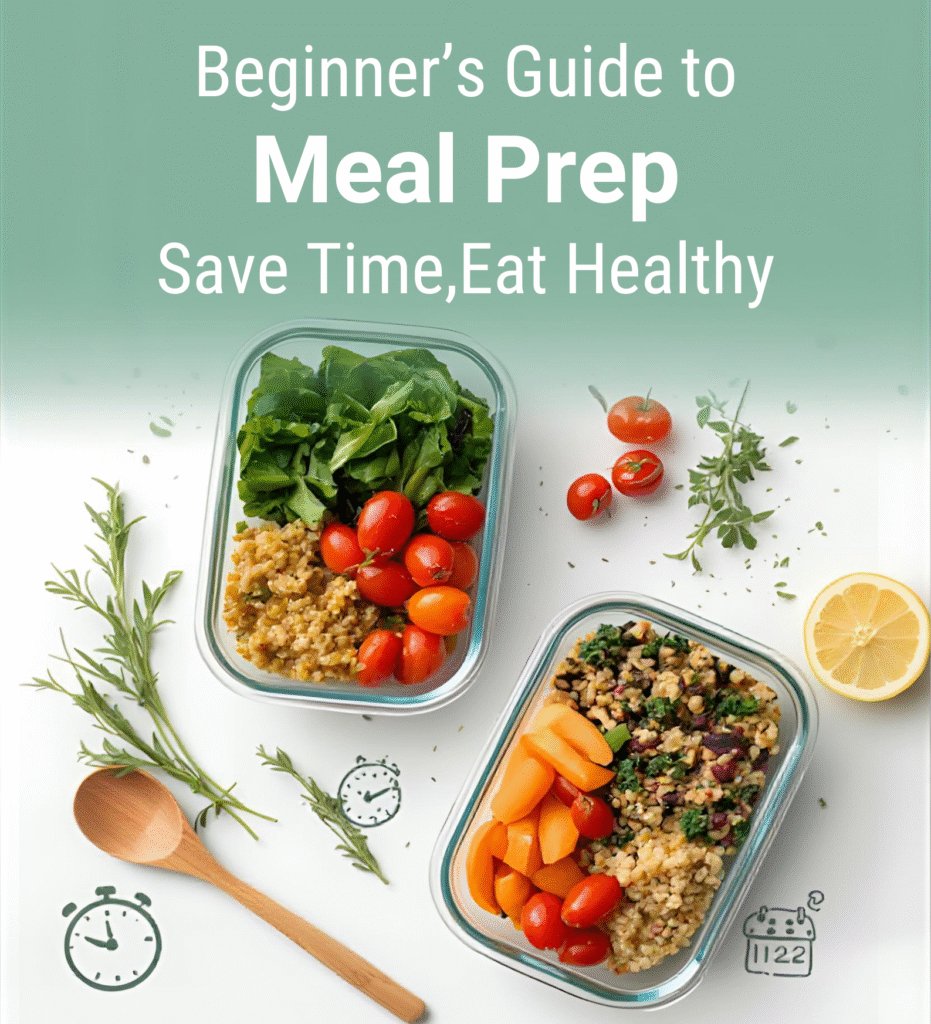
Meal prep isn’t just a trend—it’s a game-changer for anyone looking to eat healthy, save time, and stick to a nutrition plan. Whether you’re a busy professional, a student, or someone who wants to eat better without daily stress, meal prep simplifies life, reduces last-minute unhealthy choices, and keeps you on track with your health goals.
In this guide, we’ll cover everything a beginner needs to know: why meal prep is effective, step-by-step strategies, easy recipes, storage tips, a sample 7-day meal prep plan, and practical advice to make it sustainable.
Why Meal Prep Is a Game-Changer
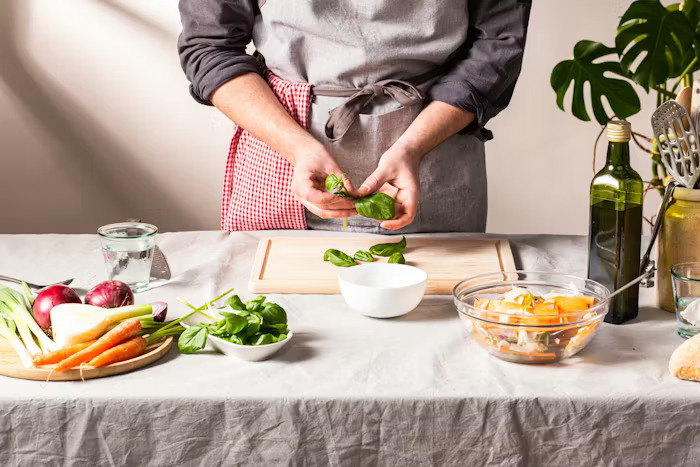
Meal prep is the practice of preparing meals or ingredients ahead of time so you can quickly assemble or cook meals during the week. It’s more than just cooking in advance—it’s about planning, organizing, and controlling your nutrition.
Here’s why it’s so effective:
1. Saves Time
Instead of cooking every day, meal prep allows you to cook multiple meals in one session, freeing up hours for work, family, or hobbies.
2. Supports Healthy Eating
Pre-planning reduces the temptation to grab fast food or unhealthy snacks, helping you stay consistent with your nutrition goals.
3. Helps with Portion Control
Prepackaged meals and portioned containers prevent overeating, making calorie tracking simpler and more accurate.
4. Reduces Stress
Knowing what’s for lunch or dinner eliminates last-minute decision-making, reducing stress and improving focus throughout the day.
5. Saves Money
Buying ingredients in bulk and prepping at home is far cheaper than eating out. It also reduces food waste because you’re using exactly what you need.
6. Supports Fitness Goals
Meal prep makes it easier to hit your protein, carb, and fat targets, which is essential for fat loss, muscle gain, or overall wellness.
Step 1: Plan Your Meals
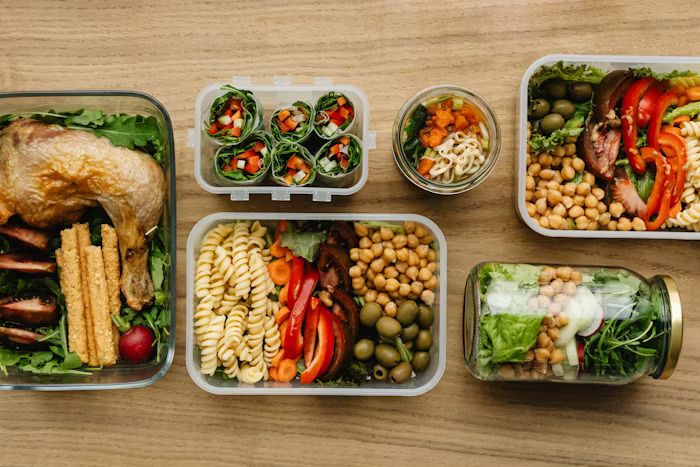
Successful meal prep starts with meal planning. Decide what meals you need, how many servings, and your nutritional goals.
Tips for Planning:
- List meals for the week: breakfast, lunch, dinner, and snacks.
- Include a balance of protein, carbohydrates, and healthy fats.
- Choose recipes that store well in the fridge or freezer.
- Plan for variety to avoid boredom.
Example Meal Plan:
Breakfast Overnight oats with berries Scrambled eggs with spinach Greek yogurt parfait Lunch Grilled chicken salad Quinoa & veggie bowl Turkey & avocado wrap Snack Apple with peanut butter Hummus with carrot sticks Handful of almonds Dinner Baked salmon with veggies Stir-fried tofu & broccoli Lean beef with sweet potato Tip: Rotate ingredients each week to keep meals interesting and ensure a wide range of nutrients
Step 2: Make a Grocery List
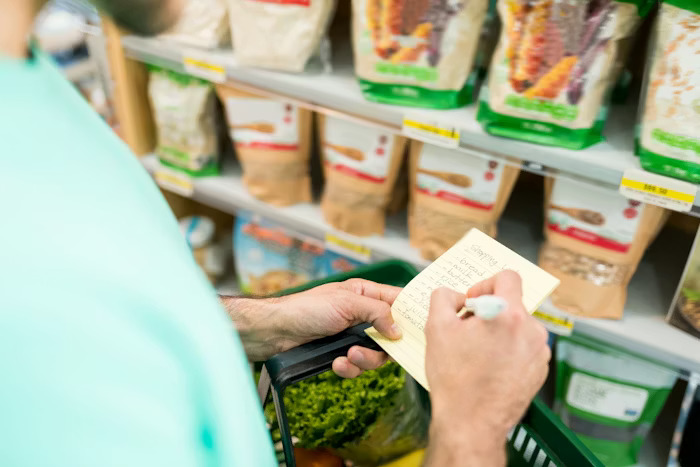
Once your meals are planned, create a grocery list to save time and avoid impulse purchases. Organize your list by category:
- Protein: chicken, turkey, fish, tofu, beans
- Vegetables: spinach, broccoli, peppers, carrots, zucchini
- Carbs: rice, quinoa, oats, whole-grain bread
- Healthy Fats: avocado, olive oil, nuts, seeds
- Snacks & Extras: fruits, Greek yogurt, hummus
Tip: Stick to your list to avoid buying foods that don’t fit your plan, which can derail your progress.
Step 3: Choose Your Containers
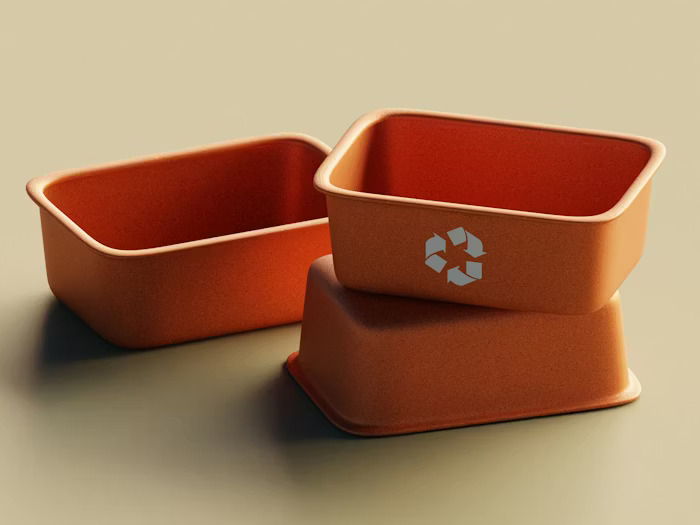
Having the right containers makes meal prep easier and keeps food fresh.
- Use BPA-free plastic containers or glass containers.
- Choose compartmentalized containers for balanced meals.
- Mason jars are great for salads, overnight oats, and layered meals.
- Label containers with the date and meal to stay organized.
Tip: Stackable containers save fridge space and make it easy to grab meals on busy mornings.
Step 4: Cook Efficiently
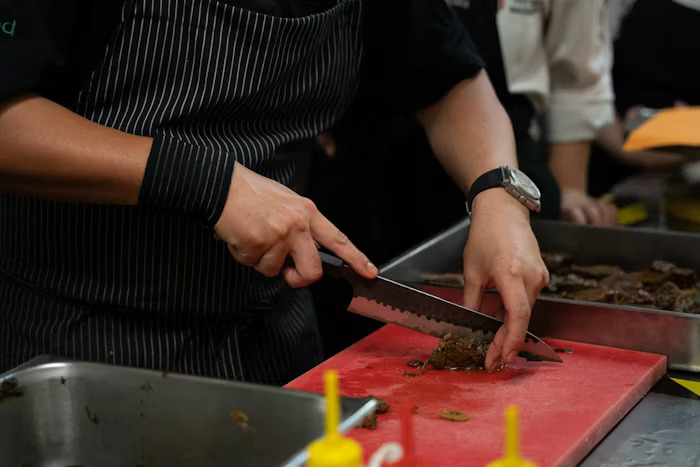
Cooking multiple meals at once can feel overwhelming. Here’s how to save time while cooking:
- Batch Cooking: Cook large portions of grains, proteins, and roasted veggies at once.
- One-Pot Meals: Soups, stews, and casseroles reduce cleanup time.
- Sheet Pan Dinners: Roast proteins and vegetables together on one tray.
- Pre-Chop Ingredients: Wash and chop veggies ahead of time for salads, stir-fries, or snacks.
Tip: Focus on ingredients that can be mixed and matched to create variety throughout the week.
Step 5: Storage & Safety Tips
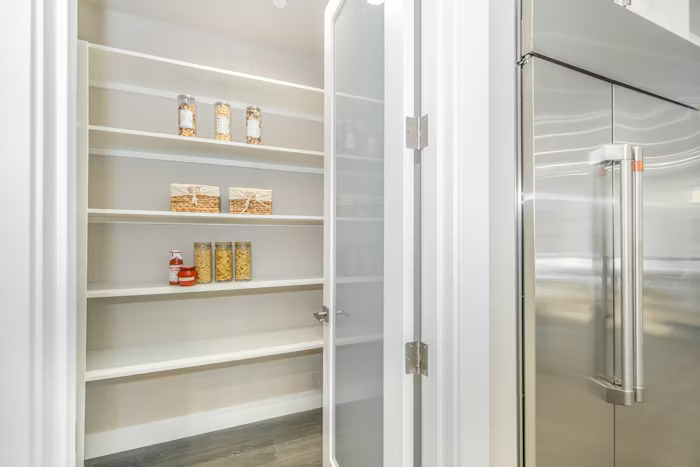
Proper storage ensures your meals stay fresh and safe:
- Refrigerate meals for up to 4 days.
- Freeze meals for up to 2–3 months.
- Reheat meals to 165°F (74°C) for food safety.
- Keep salad dressings, sauces, and toppings separate until ready to eat.
Tip: Portion sauces into small containers to prevent soggy meals.
Step 6: Quick Meal Prep Recipes for Beginners
1. Overnight Oats
- Ingredients: oats, almond milk, chia seeds, berries, honey
- Prep: Mix in a jar and refrigerate overnight
- Tip: Top with nuts in the morning for added texture
2. Sheet Pan Chicken & Veggies
- Ingredients: chicken breast, bell peppers, broccoli, olive oil, spices
- Prep: Roast everything on a sheet pan for 25–30 minutes.
- Tip: Make enough for 3–4 meals.
3. Quinoa & Veggie Bowl
- Ingredients: cooked quinoa, roasted veggies, chickpeas, tahini sauce
- Prep: Assemble bowls in containers for grab-and-go lunches
4. Snack Packs
- Ingredients: carrot sticks, cucumber slices, hummus, boiled eggs, nuts
- Prep: Portion snacks into small containers for easy access
5. Stir-Fried Tofu & Veggies
- Ingredients: tofu, broccoli, bell peppers, soy sauce, garlic
- Prep: Cook tofu and vegetables together and store in meal prep containers
Step 7: Advanced Tips for Consistency
- Start Small: Prep 2–3 days’ worth of meals first and gradually increase.
- Mix and Match: Cook versatile ingredients that can be used in multiple recipes.
- Set a Routine: Pick a consistent prep day (e.g., Sunday) to build a habit.
- Track Your Success: Notice time, money, and stress saved—it’s motivating.
- Use Freezer-Friendly Meals: Keep a few meals in the freezer for busy weeks.
7-Day Fat Loss Meal Plan Without Starving
7-Day Fat Loss Meal Plan Without Starving
Day 1
- Breakfast: Oatmeal with almond butter, blueberries, and chia seeds
- Snack: Greek yogurt with a handful of raspberries
- Lunch: Grilled chicken salad with quinoa, spinach, avocado, and cherry tomatoes
- Snack: Apple slices with 1–2 tbsp peanut butter
- Dinner: Baked salmon with roasted sweet potatoes and steamed broccoli
Day 2
- Breakfast: Scrambled eggs with spinach, mushrooms, and avocado
- Snack: A handful of almonds and an orange
- Lunch: Lentil soup with a side of whole-grain bread and cucumber slices
- Snack: Carrot and celery sticks with hummus
- Dinner: Grilled turkey breast with quinoa and roasted asparagus
Day 3
- Breakfast: Greek yogurt parfait with oats, sliced strawberries, and sunflower seeds
- Snack: Protein smoothie: almond milk, banana, and whey or plant-based protein
- Lunch: Quinoa & roasted vegetable bowl with chickpeas and tahini dressing
- Snack: A handful of mixed nuts and an apple
- Dinner: Baked cod with brown rice, sautéed green beans, and olive oil drizzle
Day 4
- Breakfast: Overnight oats with chia seeds, raspberries, and almond butter
- Snack: Hard-boiled eggs with cherry tomatoes
- Lunch: Grilled chicken wrap with whole-grain tortilla, spinach, hummus, and bell peppers
- Snack: Sliced cucumber and bell peppers with guacamole
- Dinner: Stir-fried tofu with broccoli, carrots, and brown rice
Day 5
- Breakfast: Spinach and mushroom omelet with a side of avocado
- Snack: Greek yogurt with a handful of blueberries
- Lunch: Grilled salmon salad with mixed greens, quinoa, and olive oil vinaigrette
- Snack: Apple with almond butter
- Dinner: Lean beef stir-fry with bell peppers, onions, and a side of roasted sweet potato
Day 6
- Breakfast: Smoothie bowl: blended banana, spinach, and protein powder, topped with oats and chia seeds
- Snack: A handful of walnuts and a pear
- Lunch: Turkey and avocado salad with mixed greens, cherry tomatoes, and quinoa
- Snack: Carrot sticks with hummus
- Dinner: Baked chicken breast with roasted Brussels sprouts and wild rice
Day 7
- Breakfast: Cottage cheese with sliced peaches, chia seeds, and a drizzle of honey
- Snack: A handful of almonds and an orange
- Lunch: Lentil and quinoa bowl with roasted zucchini, bell peppers, and tahini dressing
- Snack: Celery sticks with peanut butter
- Dinner: Grilled shrimp with sautéed spinach, garlic, and brown rice
Tips to Maximize Fat Loss While Eating Plenty
- Balance Each Meal: Aim for a source of protein, complex carbs, fiber, and healthy fats.
- Stay Hydrated: Water helps control appetite and supports metabolism.
- Mindful Eating: Eat slowly, listen to hunger cues, and avoid distractions while eating.
- Prep Ahead: Batch cook proteins and grains at the start of the week for convenience.
- Adjust Portions: Listen to your body; if you’re still hungry, add more vegetables or lean protein.
Why This Plan Works:
- Balanced Snacks: Prevent cravings and overeating.
- High Protein: Keeps you full and preserves muscle mass.
- High Fiber: Helps you feel satisfied with fewer calories.
- Smart Carbs: Provides energy without blood sugar spikes.
- Healthy Fats: Supports hormones, satiety, and taste.
Common Beginner Mistakes to Avoid
- Skipping Meal Prep Days: Consistency is key. Missing prep reduces the benefit.
- Not Storing Properly: Spoiled food leads to waste.
- Lack of Variety: Eating the same meals every day can cause boredom.
- Overcomplicating Recipes: Start simple—master basic recipes before moving to complex dishes.
- Ignoring Macros: Balance protein, carbs, and fats for optimal nutrition.
Tools & Equipment for Beginner Meal Preppers
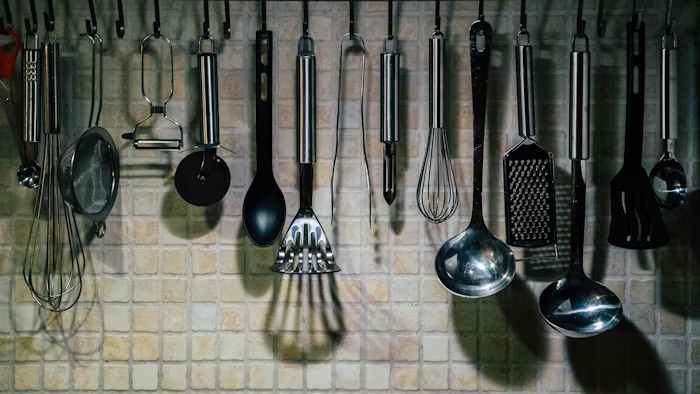
- Containers: BPA-free plastic or glass, preferably stackable
- Mason Jars: Perfect for salads and overnight oats
- Measuring Cups & Kitchen Scale: Ensures proper portioning.
- Sharp Knives & Cutting Boards: Save prep time
- Sheet Pans & Baking Trays: Ideal for batch roasting
FAQ: Meal Prep for Beginners
Q1: Do I need to cook every meal from scratch?
No! Prepping ingredients like grilled chicken, roasted veggies, or cooked grains is enough—you can mix and match meals throughout the week.
Q2: How long does meal prep take for a beginner?
1–2 hours per week is enough. Over time, prep becomes faster with practice.
Q3: Can I freeze prepped meals?
Yes! Soups, stews, casseroles, and even cooked grains freeze well for 2–3 months.
Q4: What if I get bored with meals?
Use different seasonings, sauces, and proteins to keep meals interesting.
Q5: Is meal prep expensive?
Not at all! Buying in bulk and cooking at home saves money compared to eating out.
Q6: Can I meal prep for weight loss or fitness goals?
Yes! Portion-controlled meals with balanced macros are ideal for fat loss, muscle gain, or maintaining a healthy lifestyle.
Q7: How do I stay motivated to meal prep every week?
Start small, track your progress, and remind yourself of the time, money, and stress saved. Seeing tangible results keeps motivation high.
Final Thoughts
Meal prep is the ultimate tool for busy beginners who want to eat healthy without stress. By planning meals, cooking efficiently, and storing food properly, you can save time, reduce waste, and stay consistent with nutrition goals.
Remember, meal prep isn’t about perfection—it’s about making healthy eating easier, consistent, and enjoyable. Start small, experiment with flavors, and gradually build a system that works for your lifestyle. With meal prep, you’re not just saving time—you’re investing in your health, energy, and long-term well-being.