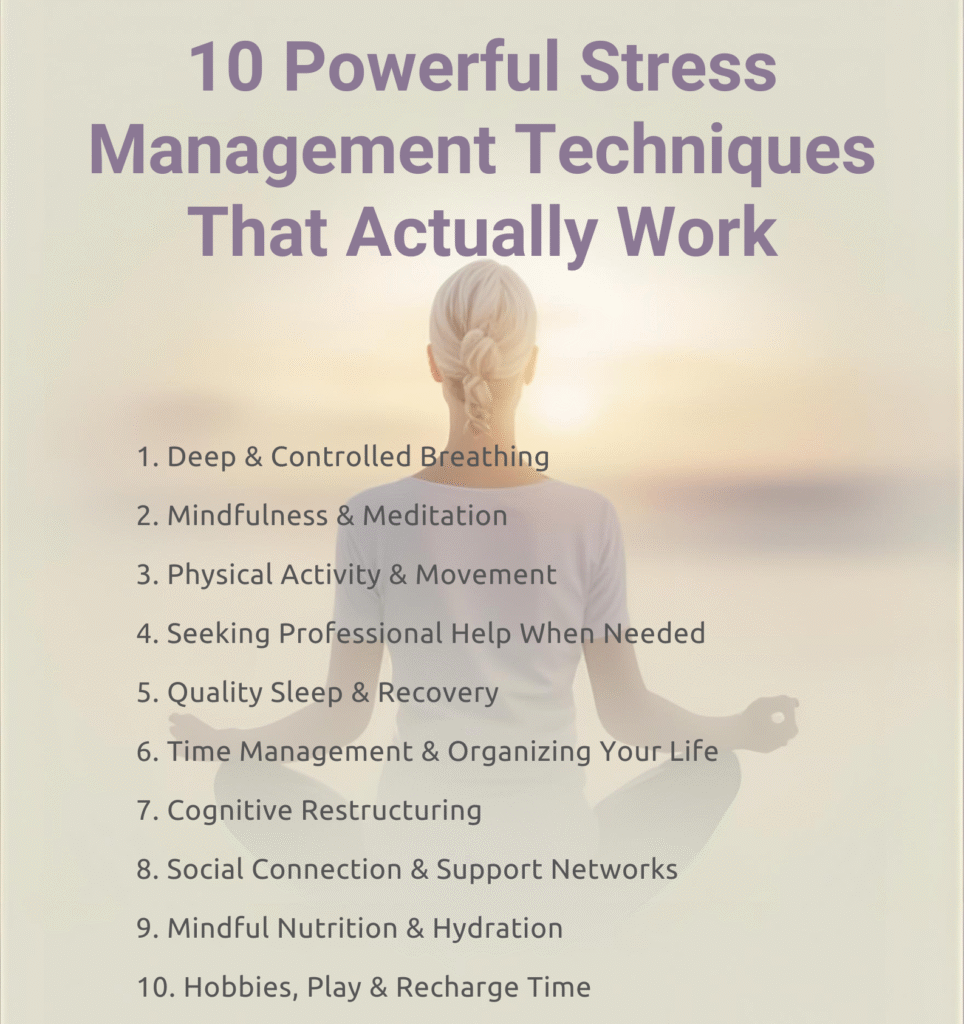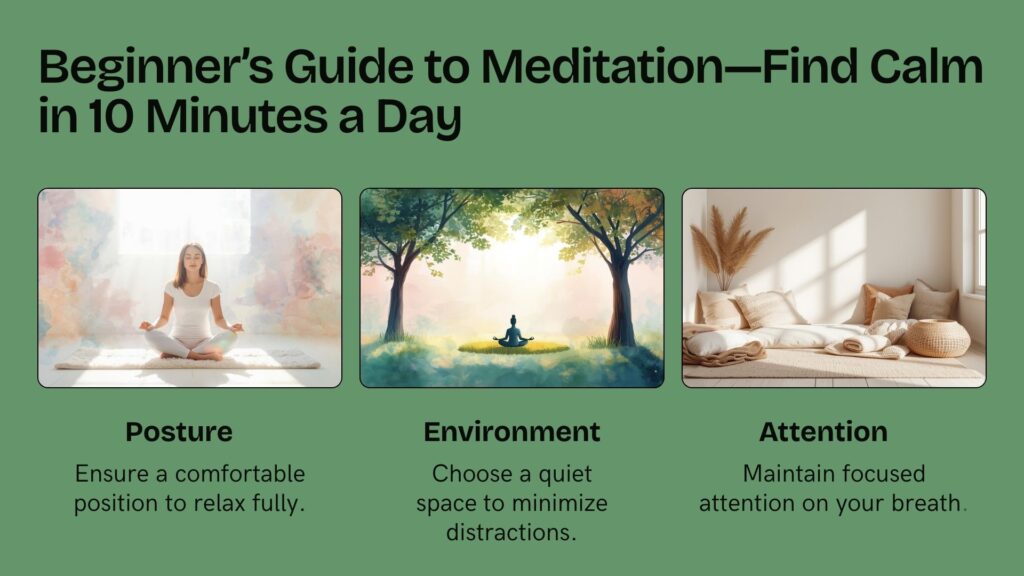

Sleep is one of the most powerful yet underrated tools for mental wellness. In a culture that often rewards long days and packed schedules, rest can feel like a luxury—but it’s actually essential. Quality sleep supports emotional balance, stress regulation, problem-solving ability, and overall brain health. When sleep is consistently poor, it can intensify anxiety, weaken focus, and increase emotional exhaustion.
In this blog, you’ll discover practical sleep habits that support mental health, backed by science and easy to adopt in real life. Whether you struggle with sleep occasionally or have ongoing sleep challenges, these tips can help improve both your rest and your mental well-being.
Why Sleep Matters for Mental Wellness

Sleep is more than just a “pause” in daily life. It’s an active process where the brain restores balance, processes emotions, and consolidates memory. During sleep, especially during deep (slow-wave) and REM sleep, your brain is hard at work:
- Clearing emotional stress
- Strengthening neural connections
- Regulating mood
- Improving cognitive functions like focus and decision-making
Inadequate sleep is linked with increased risks of anxiety, depression, cognitive decline, emotional instability, and chronic stress. That’s why learning supportive sleep habits is just as important as adopting good nutrition or exercise routines.
1. Maintain a Consistent Sleep Schedule
One of the most effective sleep habits for mental wellness is keeping a stable sleep schedule.
Your body has an internal clock (circadian rhythm) that tells you when to feel awake and when to feel sleepy. When you go to bed and wake up at the same time every day—even on weekends—your circadian rhythm becomes stronger and more predictable.
Benefits
- Regulates mood
- Reduces feelings of grogginess
- Improves sleep quality naturally
Tips
- Track your hours using a sleep journal or tracker.
- Pick a sleep time that gives you 7–9 hours of rest.
- Avoid big shifts in weekend schedules.
2. Create a Relaxing Bedtime Routine
A bedtime routine signals your brain that it’s time to unwind. This helps your nervous system downshift from the stress of the day to a calm state ready for rest.
Healthy Routines
- Reading a few pages in a book
- Gentle stretching
- Journaling about your day
- Taking a warm bath
- Listening to calming music
Why It Works
This routine helps reduce stress and quiets mental chatter. Instead of going to bed “full of thoughts,” you enter rest with a calmer mindset—which supports emotional balance.
3. Limit Screen Time Before Bed
Technology makes life easier, but screens can disrupt sleep. Smartphones, laptops, and TVs emit blue light, which suppresses melatonin—a hormone your brain needs to signal that it’s time to sleep.
Healthy Alternatives
Instead of scrolling before bed:
- Read a book
- Practice deep breathing
- Do gentle yoga
- Write in a gratitude journal.
Why It Helps Mental Wellness
Reducing blue light exposure reduces sleep latency (the time it takes to fall asleep) and can help decrease nighttime anxiety and racing thoughts.
4. Optimize Your Sleep Environment
Your bedroom should be a sanctuary for rest. A calm, comfortable space helps your mind associate your room with peace and relaxation.
Tips for a Sleep-Friendly Space
- Cool temperature (60–67°F / 15–19°C)
- Dim or no lights (use blackout curtains)
- Minimal noise (white noise machine if needed)
- Comfortable mattress and pillow
- Scents like lavender or chamomile
Mental Wellness Impact A wellarranged sleep environment reduces disruptions during the night. Fewer interruptions mean deeper restorative sleep, which supports emotional regulation
5. Practice Mindfulness and Relaxation Techniques
Mindfulness techniques help calm the nervous system and shift the mind away from stress before bed.
Effective Practices
- Deep breathing exercises
- Body scan meditation
- Progressive muscle relaxation
- Gratitude reflection
Even 5–10 minutes of these practices can help prepare the brain for restorative sleep.
Benefits for Mental Health
Mindfulness reduces anxiety, eases rumination, and improves emotional clarity—leading to a calmer night’s sleep and better mental wellness overall.
6. Be Mindful of What You Eat and Drink Before Bed
What you consume in the evening affects both your sleep and mental wellness.
Avoid
- Caffeinated drinks (coffee, energy drinks, teas)
- Heavy meals
- Sugary desserts
- Excessive liquids
Better Choices
- Herbal teas (chamomile, peppermint)
- Light snacks (like bananas or almonds)
- Warm milk
- Foods with magnesium
Reducing stimulants and sugar before bed allows your nervous system to relax, which supports sleep onset and emotional calm.
7. Increase Sunlight and Physical Movement During the Day
Healthy sleep habits begin long before bedtime.
Daytime Actions for Better Sleep
- Morning sunlight exposure
- Short walks or light exercise
- Breaks from sitting
- Avoiding long naps (especially in the late afternoon)
Sunlight exposure reinforces your natural circadian rhythm, helping your brain know when to be alert and when to rest. Physical movement also reduces stress and supports emotional wellness, leading to better sleep at night.
How Much Sleep Is Ideal for Mental Wellness?

Most adults need 7–9 hours of quality sleep per night. However, sleep quality matters as much as duration.
Signs You’re Getting Enough Sleep
- You wake up feeling refreshed.
- Stable mood throughout the day
- Better focus and decision-making
- Less emotional reactivity
- Lower stress levels
If you still feel fatigued after 8+ hours of sleep, improving your sleep habits may be more important than increasing sleep duration.
Sleep Hygiene Tips You Can Start Tonight

To make these habits more effective, you can try:
- Turning off screens 1 hour before bed
- Drinking a calming herbal tea at night
- Writing down tomorrow’s to-do list before bed to ease mental clutter
- Practicing a 5-minute breathing exercise each night.
- Keeping your bedroom cooler and darker
Small changes in your sleep routine can lead to big improvements in mental wellness over time.
Final Thoughts: Sleep Is Not a Luxury—It’s a Mental Wellness Tool
Sleep influences every aspect of mental wellness. Good sleep habits improve emotional balance, reduce stress, enhance focus, and build resilience. While it may take time to retrain your sleep patterns, even a few changes can make a noticeable difference.
Start with one habit and build from there. With consistency, your sleep can become a powerful foundation for a calmer mind, greater emotional clarity, and stronger mental health. Sleep well—your mind deserves it.