
Gaining weight in a healthy way is not as simple as eating more food. Many people associate weight gain with unhealthy habits, like overeating junk food or drinking sugary shakes, but that approach can harm your body rather than help it. In 2026, healthy weight gain is about building lean muscle, improving metabolism, and creating habits that are sustainable for life.
Whether you’re naturally thin, struggling to gain weight, or looking to build muscle without harming your health, this guide is for you. We’ll explore proven strategies, nutrition tips, exercise routines, and lifestyle hacks that actually work—without relying on extreme diets or shortcuts.
Why Healthy Weight Gain Is Important
Many people focus only on weight loss, but healthy weight gain has its own set of benefits:
- Improved strength and fitness—Lean muscle helps you perform better in daily activities and sports.
- Better metabolism—Muscle tissue burns more calories at rest than fat tissue.
- Stronger immunity—Proper nutrition supports your immune system.
- Enhanced confidence—Feeling fit and strong improves mental health.
- Long-term health benefits—Healthy weight gain reduces risks of frailty, bone loss, and malnutrition.
The goal in 2026 is lean muscle gain, not just adding fat. Gaining unhealthy weight can lead to heart issues, blood sugar spikes, and low energy levels.
Understanding the Basics: Calories, Protein, and Muscle Growth
Healthy weight gain relies on three main principles:
- Calorie Surplus
To gain weight, you must consume more calories than you burn. However, this surplus should come from nutrient-dense foods, not junk or sugary snacks. - High-Quality Protein Intake
Protein is the building block of muscle. Without enough protein, your body cannot repair muscle tissue after workouts, slowing down growth. - Strength Training
Exercise, especially resistance training, signals your body to use the extra calories to build muscle, not fat.
Tip #1: Track Your Calorie Intake Carefully
Many people underestimate how many calories they burn each day. Start by calculating your maintenance calories—the number of calories your body needs to maintain weight. Add 300–500 calories daily for slow and sustainable weight gain.
How to Track Calories Effectively
- Use apps like MyFitnessPal, Lose It!, or Cronometer.
- Focus on whole foods, not processed snacks.
- Include protein, carbs, and healthy fats in every meal.
Pro Tip: Avoid overeating in one sitting. Spread meals across 5–6 smaller meals daily to ensure proper digestion and absorption.
Tip #2: Focus on Protein for Lean Muscle Growth
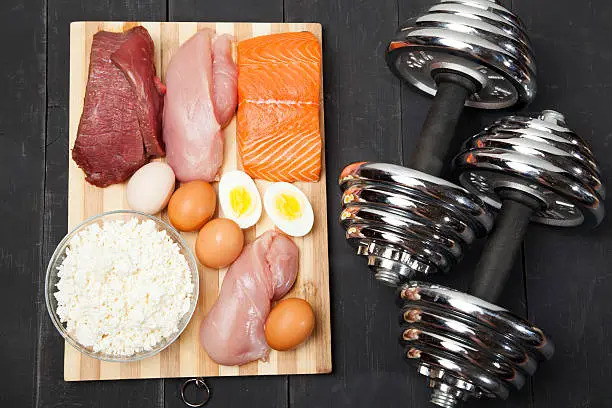
Protein is essential for muscle repair and growth. The ideal protein intake for healthy weight gain is about 1.6–2.2 grams per kilogram of body weight.
Best Protein Sources
- Animal-based: Eggs, chicken, turkey, fish, lean beef
- Plant-based: Lentils, chickpeas, beans, tofu, tempeh, quinoa
- Snacks: Greek yogurt, protein shakes, cottage cheese
How to Include Protein in Every Meal
- Breakfast: Eggs or protein oats
- Lunch/Dinner: Chicken breast with brown rice or lentils with vegetables
- Snacks: Nuts, protein bars, or shakes
Protein not only supports muscle gain but also keeps you full and energized between meals.
Tip #3: Don’t Forget Healthy Carbs
Carbohydrates are your body’s main energy source, and gaining weight requires extra energy. Focus on complex carbs that release energy slowly.
Best Carb Sources
- Oats, quinoa, brown rice, whole wheat bread
- Sweet potatoes, potatoes, corn
- Fruits like bananas, berries, and apples
- Vegetables like carrots, peas, and squash
Why Carbs Matter for Muscle Gain
Carbs help refuel muscles after workouts and prevent fatigue. They also support hormone production, including insulin, which helps shuttle nutrients into muscles for growth.
Tip #4: Include Healthy Fats
Healthy fats are calorie-dense and essential for hormone production, which affects muscle growth and metabolism.
Healthy Fat Sources
- Nuts and seeds (almonds, walnuts, chia, flaxseed)
- Avocado
- Olive oil and coconut oil
- Fatty fish like salmon and mackerel
In 2026, weight gain strategies prioritize quality calories—not just eating more food.
Tip #5: Eat Frequently and Strategically
Eating more often helps you meet your calorie and nutrient goals without feeling overly full.
Sample Meal Schedule
- Breakfast: Eggs, avocado toast, smoothie
- Snack 1: Nuts and yogurt
- Lunch: Grilled chicken, brown rice, vegetables
- Snack 2: Protein shake or cottage cheese
- Dinner: Salmon, sweet potato, salad
- Optional Night Snack: Peanut butter on whole-grain toast
Spreading calories across multiple meals ensures better absorption and consistent energy levels.
Tip #6: Strength Training Is Non-Negotiable
Exercise is crucial for gaining lean muscle instead of fat.
Recommended Workouts
- Compound exercises (work multiple muscles): Squats, deadlifts, bench press, pull-ups
- Isolation exercises (target specific muscles): Bicep curls, tricep extensions, leg curls
- Train 3–5 times per week, alternating muscle groups
- Gradually increase weights to challenge muscles.
Remember: Consistency matters more than intensity. Slow, steady progress yields long-term results.
Tip #7: Don’t Ignore Recovery
Muscles grow while you rest, not while you lift weights.
Recovery Tips
- Sleep 7–9 hours nightly
- Take rest days between intense workouts.
- Use stretching, foam rolling, or yoga to prevent injury.
- Hydrate adequately to support muscle function.
Recovery is as important as training. Without it, weight gain will lean toward fat, not muscle.
Tip #8: Consider Supplements Wisely
While food should be your main source of nutrients, supplements can help fill gaps.
Recommended Supplements for Healthy Weight Gain
- Protein powders: Whey, casein, or plant-based protein
- Creatine: Supports strength and muscle growth
- Omega-3 fatty acids: Supports heart and joint health
- Multivitamins: Ensures nutrient sufficiency
Avoid relying solely on supplements—they support your diet, not replace it.
Tip #9: Monitor Progress and Adjust
Track your weight, body measurements, and strength improvements weekly.
Tips for Tracking
- Take progress photos
- Record workout strength and reps
- Measure waist, arms, and chest.
- Adjust calories if weight gain is too slow or too fast.
2026’s approach is data-driven and personalized, so small adjustments lead to better results.
Tip #10: Mind Your Lifestyle Habits
Healthy weight gain isn’t just about food and exercise. Your lifestyle habits influence results:
- Sleep hygiene—consistent bedtime and wake-up time
- Stress management—meditation, breathing exercises, journaling
- Social support—workout partners or nutrition coaching
- Avoid smoking and excessive alcohol—these impair muscle growth.
Combining nutrition, exercise, and lifestyle habits ensures sustainable muscle gain.
Advanced Tips for 2026: Leveraging Technology for Healthy Weight Gain
Modern weight gain strategies also integrate technology for tracking and motivation:
- Fitness apps—Track workouts, calories, and macronutrients. Apps like Fitbod, MyFitnessPal, and Strong can help.
- Smartwatches—Monitor heart rate, steps, and sleep to optimize recovery.
- AI meal planners suggest calorie-dense, nutrient-rich meals based on your goals.
- Online communities— Join forums or social media groups for support, motivation, and accountability.
Using tech helps you stay consistent, monitor results, and adjust routines intelligently.
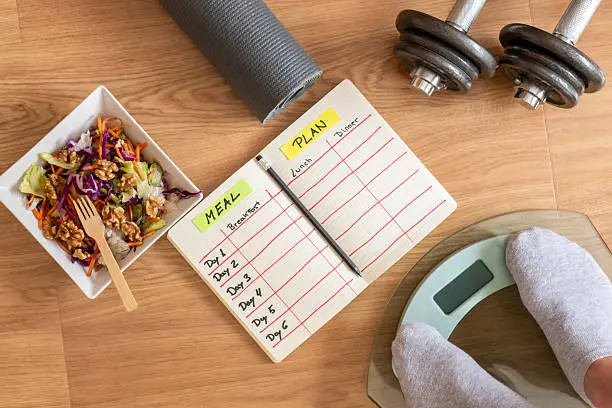
Sample 7-Day Meal and Workout Plan for Weight Gain
Monday:
- Breakfast: Protein oats with banana
- Snack: Mixed nuts
- Lunch: Chicken, quinoa, vegetables
- Snack: Greek yogurt with berries
- Dinner: Salmon, sweet potato, salad
- Workout: Upper body strength
Tuesday:
- Breakfast: Eggs and avocado toast
- Snack: Protein shake
- Lunch: Lentil curry, rice, vegetables
- Snack: Peanut butter on whole-grain bread
- Dinner: Chicken stir-fry with vegetables
- Workout: Lower body strength
Wednesday:
- Active recovery: Walk or light cardio
- Meals: Balanced and calorie-dense meals
Thursday:
- Breakfast: Smoothie with protein and oats
- Snack: Nuts and fruit
- Lunch: Turkey, brown rice, salad
- Snack: Cottage cheese
- Dinner: Fish, sweet potato, roasted vegetables
- Workout: Upper body strength
Friday:
- Repeat similar meals, adjusting calories for your needs.
- Workout: Full-body resistance training
Saturday & Sunday:
- Focus on recovery, stretching, and active hobbies.
- Eat nutrient-dense meals to support growth.
Common Mistakes to Avoid in Healthy Weight Gain

- Eating only junk food adds fat, not muscle.
- Skipping strength training—calories turn into fat.
- Not tracking calories—may eat too little or too much.
- Neglecting sleep and recovery slows muscle growth.
- Being impatient—healthy weight gain is gradual.
2026 experts emphasize slow, sustainable muscle gain over quick fixes.
Final Thoughts: Healthy Weight Gain in 2026
Healthy weight gain is not about eating more at random. It’s about strategic nutrition, consistent training, and smart lifestyle habits.
The 10 tips outlined here focus on building lean muscle, improving metabolism, and creating sustainable routines. When done correctly:
- You gain strength, energy, and confidence.
- You reduce the risk of fat accumulation and health problems.
- You enjoy long-term fitness and a better lifestyle.
Remember, healthy weight gain is a journey, not a sprint. With patience, consistency, and the right strategies, anyone can build muscle the right way in 2026.
Pro Tip: Track your progress monthly, stay consistent with your diet and workouts, and don’t forget that rest, recovery, and mental health are part of the muscle-building process.