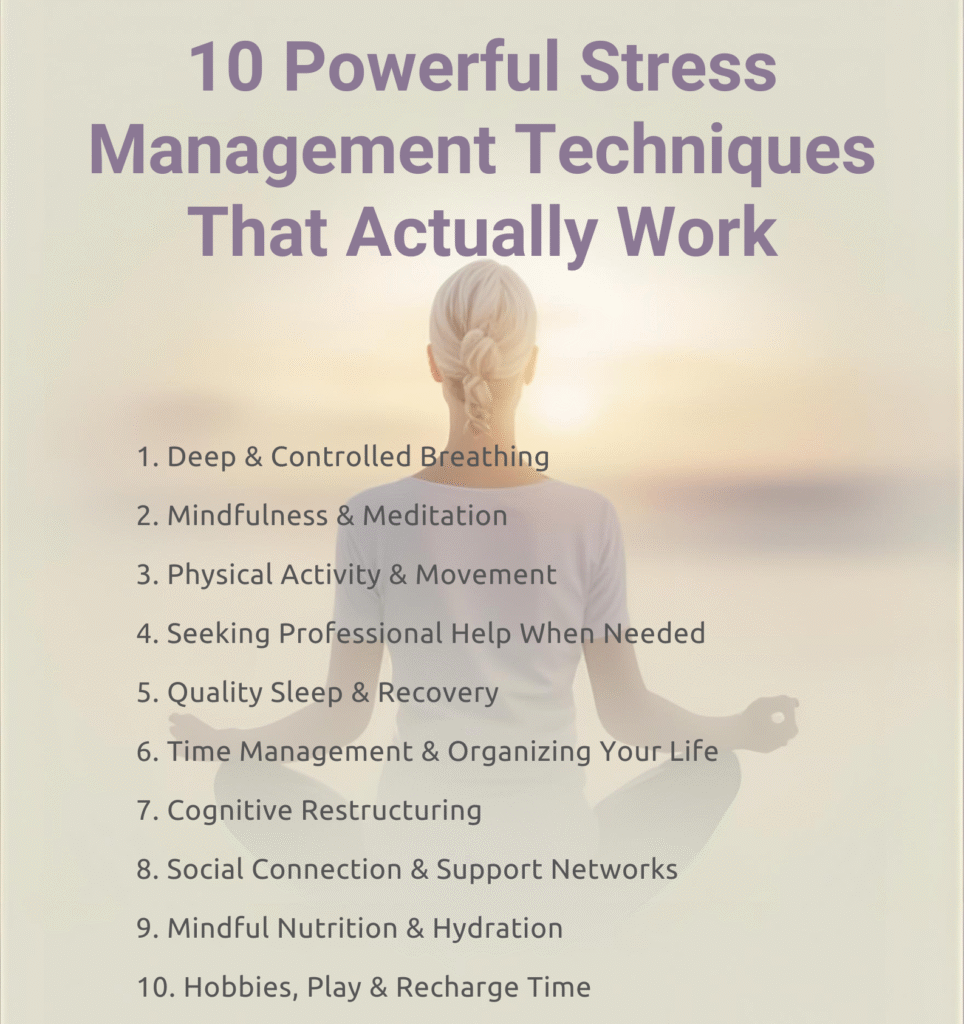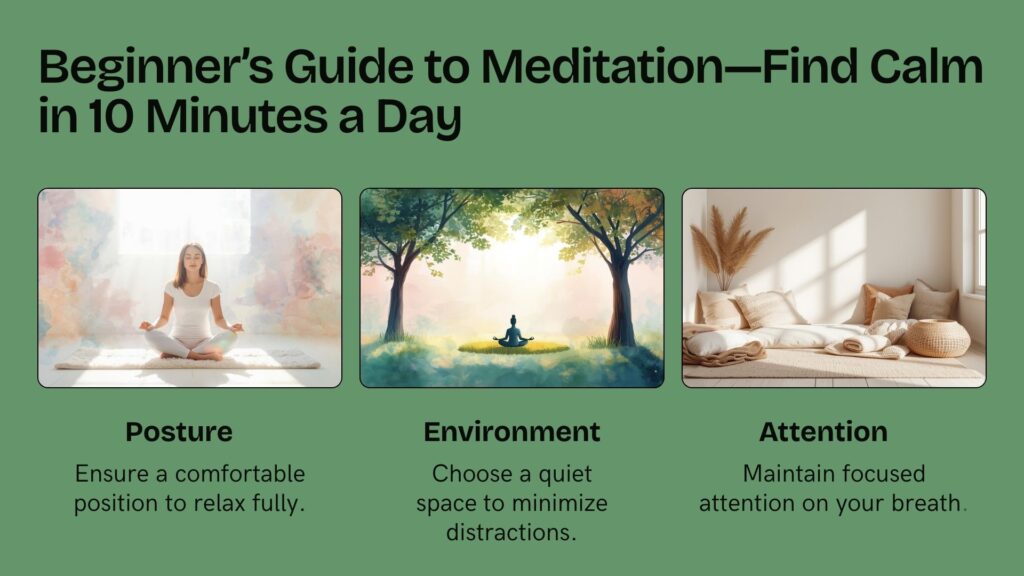
Work-life balance has always been important, but in 2026, it has transformed from a “nice-to-have” concept into a survival requirement. With the rise of remote and hybrid roles, AI-driven workflows, and constant digital connection, people today are not just striving to be productive. They want peace, fulfillment, mental clarity, healthy routines, and a life that feels meaningful.
If you’ve been feeling overwhelmed, mentally drained, or stretched thin, you’re not alone. Millions of people across the world are struggling to find balance in a work environment that never seems to switch off.
This guide will walk you through everything you need to know about achieving a realistic and sustainable work–life balance in 2026. You will learn how to avoid burnout, increase productivity, take better control of your time and energy, and build a life that feels stable and healthy.
Why Work-Life Balance Looks Completely Different in 2026

Work-life balance today is not what it was even five years ago. Major global shifts have changed how we work, where we work, how fast we work, and how we communicate.
Below are the biggest changes that make balance harder yet more important than ever.
1. Remote and Hybrid Work Is the New Standard
By 2026, more than two-thirds of professionals will work remotely or in hybrid roles. This flexibility has many benefits, but it also blurs the boundaries between personal time and work time.
The workplace is now your bedroom, your kitchen, or your living room. Because of this, your mind remains in “work mode” far longer than it should.
2. AI Has Completely Transformed Workflows
AI tools such as ChatGPT, Notion AI, Claude, and other automation systems can complete tasks in seconds that used to take hours. This is a major advantage, but it also creates a silent pressure to keep up with technology.
People often feel like they must always be fast, always stay updated, and always deliver more than before. This pressure contributes to exhaustion and constant stress if not managed well.
3. Digital Overload Has Become a Daily Struggle
The average person receives hundreds of notifications every week from emails, messages, apps, social media, and work platforms. Even when you are not working, you are constantly exposed to screens.
This nonstop connectivity leads to mental fatigue, difficulty focusing, anxiety, and poor sleep quality. True rest becomes harder to find.
4. Multiple Income Streams Have Become Normal
More people are running side hustles, freelancing, teaching online, or launching small businesses alongside their main job. This can be financially empowering, but without boundaries, it quickly leads to exhaustion.
Managing multiple commitments without proper structure often results in burnout.
5. Mental Health Awareness Has Increased
The good news is that more workplaces now recognize burnout, stress, anxiety, and emotional fatigue. However, personal awareness and habits still matter. True balance requires deliberate choices, not just employer support.
Why Work–Life Balance Is More Important Than Ever
work life balance wooden cube block relaxation work job occupation career using freelance employee motivation inspiration strategy wellbeing strategy symbol sign compare lifestyle object success icon
A healthy work–life balance directly affects all areas of life:
- Productivity
- Mental health
- Physical wellness
- Creativity
- Motivation
- Career progress
- Personal relationships
Burnout doesn’t just affect your job performance. It affects your sleep, communication, mood, confidence, and overall quality of life.
On the other hand, when balance improves, every other aspect of life becomes more stable, more enjoyable, and more meaningful.
Early Warning Signs of Burnout in 2026
Burnout often builds slowly. People usually notice the signs when it has already become severe. Watch for these warning indicators:
- Feeling tired even after sleeping
- Irritability or emotional overwhelm
- Struggling to focus
- Difficulty completing simple tasks
- Loss of motivation
- Frequent headaches or muscle tension
- Feeling disconnected or stressed
- Canceling plans due to fatigue
- Feeling guilty for resting
If you experience several of these regularly, it is a strong sign you need to slow down and adjust your balance.
The New Rules of Work–Life Balance in 2026
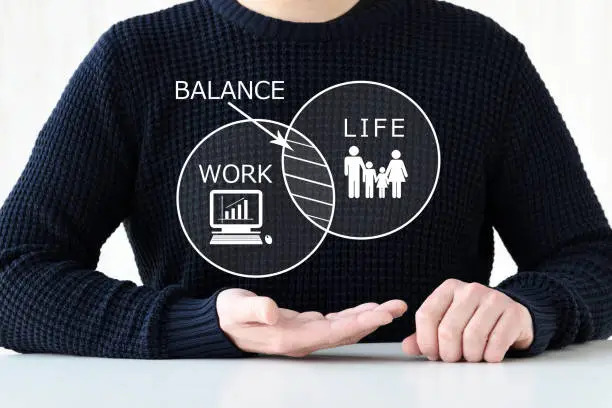
To stay productive without burning out, you must adapt to the modern way of working. These updated rules reflect what actually works in today’s fast-paced, AI-driven world.
Rule 1: Work According to Your Energy, Not Your Hours
The idea that people must be equally productive from 9 to 5 is outdated. Humans have natural energy cycles. Some people work best in the morning; others perform better in the afternoon or evening.
To achieve better balance, match your tasks to your energy levels.
Try this approach:
- Complete deep-focus tasks during your peak energy hours.
- Schedule meetings during lower-energy periods
- Work in 90-minute deep-work sessions.
- Take short breaks to recharge.
- Avoid forcing productivity when your body feels mentally drained.
Working with your body rather than against it leads to higher-quality output and less stress.
Rule 2: Boundaries Are Essential, Not Optional
Without boundaries, work will consume all available space, especially when your office is at home.
Healthy boundaries to set in 2026:
- No work calls after a specific time.
- No checking work emails after 8 PM
- No working from bed
- A clear start and end to your workday
- A designated workspace, even a small one
- Communicating your availability clearly
- Turning off non-essential notifications
Boundaries protect your emotional health, relationships, and personal time.
Rule 3: Use AI Intentionally and Smartly
AI can improve your work, but only when used correctly.
Use AI to:
- Draft emails
- Summarize meetings
- Organize schedules
- Conduct quick research
- Automate repetitive tasks
- Brainstorm ideas
- Improve writing
AI should make your work lighter, not heavier. Use it as a tool, not a pressure source.
Rule 4: Treat Your Health as a Daily Responsibility
Your physical health fuels your work. When health declines, productivity falls apart.
Make these health habits non-negotiable:
- Move your body for at least 15 to 30 minutes a day.
- Drink enough water
- Get regular sleep
- Stretch your muscles during breaks.
- Eat balanced meals
- Spend a few minutes outdoors each day.
Health is not a luxury. It is the foundation for everything you do.
Rule 5: Digital Detox Must Be Part of Your Routine
The human brain needs silence and offline time to function at its best.
Daily digital detox methods:
- No screens during meals
- No phone for the first 20 minutes after waking
- One to two hours of “Do Not Disturb” time
- A nightly offline activity, such as reading or walking
- Turning off screens at least one hour before bed
These simple habits significantly reduce stress and improve focus.
Rule 6: Learn to Say No Without Feeling Guilty
Most burnout happens because people take on more than they can handle. Saying no is not rude or selfish. It is necessary for survival.
Say no to:
- Tasks that don’t belong to you
- Back-to-back meetings
- Extra responsibilities that drain you
- Social commitments you cannot sustain
- People who constantly demand your time
Every time you say no, you protect your peace and productivity.
Rule 7: Build a Structured Weekly Routine
Balance doesn’t happen by accident. It requires structure.
Below is a simple and realistic daily routine that supports productivity without overwhelming you.
Sample Balanced Daily Routine
6:30 AM—Wake up and stretch.
7:00 AM – Breakfast
8:00–10:00 AM – Deep work
10:15 AM – Short break
10:30 AM–12 PM – Creative tasks
12–1 PM – Lunch and offline time
1–3 PM – Meetings or communication tasks
3–3:30 PM – Break
3:30–5 PM – Day wrap-up tasks
5:30 PM – Exercise or walk
7 PM – Dinner
8–10 PM – Relaxation, hobbies, or family time
10:30 PM – Sleep
This routine can be customized based on your lifestyle, but the key is consistency.
Rule 8: Protect and Prioritize Your Personal Life
Your personal life is not an afterthought. It is part of your overall life health. Make time for:
- Family
- Friends
- Hobbies
- Travel
- Self-care
- Rest
- Activities that bring joy
Personal fulfillment fuels your motivation and creativity at work.
Rule 9: Stop Multitasking. It Slows You Down.
Multitasking decreases focus, increases mistakes, and adds stress.
Better alternatives:
- Focus on one task at a time.
- Use the Pomodoro method.
- Prioritize tasks
- Block your time effectively.
- Keep your workspace clean.
Deep focus is more productive than scattered attention.
Rule 10: Prioritize Mental Health Daily
Mental health is the backbone of work–life balance.
Useful mental wellness habits:
- Journaling
- Meditation
- Talking with someone you trust
- Therapy when needed
- Breathing exercises
- Nature walks
- Adequate rest
Taking care of your mind is essential, not optional.
Work–Life Balance Tips for Remote Workers in 2026
Remote work is extremely beneficial when done right. Here are practical tips for maintaining balance:
- Create a designated workspace.
- Follow a morning routine to signal the start of the day.
- Avoid working from your bed.
- Take movement breaks every hour.
- Maintain social interactions to avoid isolation.
- Log off at a set time each day.
Remote work should improve your life, not consume it.
How Companies Support Employees’ Work–Life Balance in 2026
Modern companies now offer more support than ever, including:
- Flexible hours
- Hybrid options
- Wellness programs
- Mental health days
- Family-friendly policies
- Meeting-free days
- Paid breaks
- AI-powered organization tools
Organizations have realized that balanced employees perform better and stay longer.
Common Myths About Work–Life Balance You Should Stop Believing
Myth 1: You must be productive all day.
Reality: No one can maintain peak focus for eight hours straight.
Myth 2: Longer work hours mean better results.
Reality: More hours often lead to poor quality and burnout.
Myth 3: Taking breaks is laziness.
Reality: Breaks improve focus and creativity.
Myth 4: You must choose between success and personal life.
Reality: With proper planning, you can succeed without sacrificing your life.
Best Tools for Work-Life Balance in 2026
Productivity Tools
- Notion
- Asana
- Trello
- Google Calendar
Focus Tools
- Forest
- Brain.fm
- Pomodoro timers
Mental Wellness Apps
- Calm
- Headspace
- Insight Timer
AI Tools
- ChatGPT
- Claude
- Copy.ai
Technology should simplify your life, not complicate it.
A Realistic Weekly Work–Life Balance Plan for 2026
Monday
Deep work, planning, light evening.
Tuesday
Creative tasks, social interaction, and early rest.
Wednesday
Meetings, admin work, midweek self-care.
Thursday
Skill development, hobby night.
Friday
Wrap-up tasks, shorter workday, and family time.
Saturday
Relaxation, personal interests, and outdoor activity.
Sunday
Meal prep, home organization, and rest day.
Final Thoughts: Work–Life Balance in 2026 Is a Choice
Work–life balance is not about perfection. It is about intentional living and smart decisions. In a world that moves fast, staying balanced requires awareness, discipline, and self-care.
You do not need to burn out to succeed.
You do not need to say yes to everything.
You do not need to be available at all hours.
You do not need to sacrifice your health for productivity.
Balance comes when you:
- Set strong boundaries
- Listen to your body
- Use tools wisely.
- Build consistent routines
- Value your personal life.
- Protect your mental health.
Your well-being is your greatest asset. When you take care of yourself, everything else naturally becomes more productive and more fulfilling.