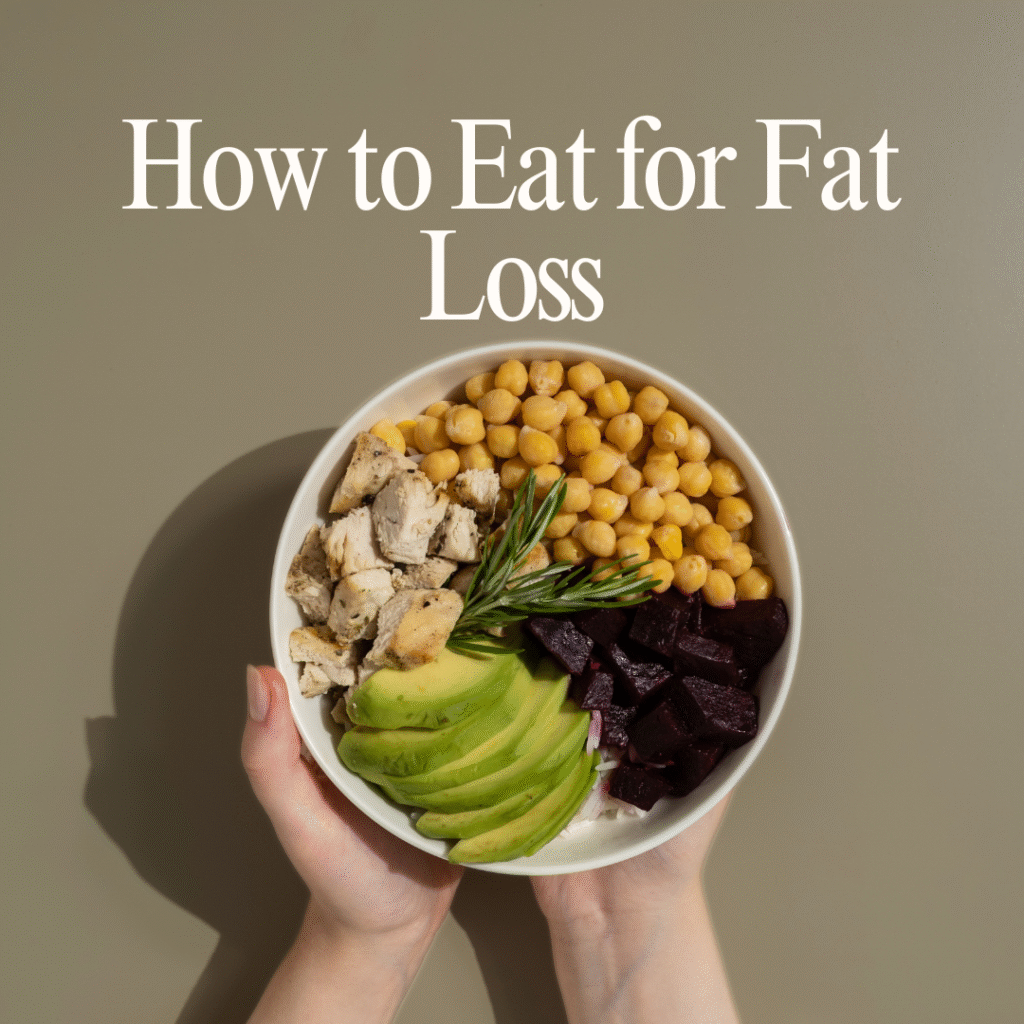
Losing weight is sometimes seen as a difficult process that involves giving up your favorite foods, missing meals, or excessively tracking calories. But what if you could reduce your body fat without being hungry all the time? In actuality, starving oneself is an unsustainable and frequently ineffective method. The secret is to eat wisely, not less, and develop habits that suit your body and lifestyle.
In this guide, we’ll show you exactly how to eat for fat loss without deprivation, combining science-backed strategies with practical tips you can start using today. Whether you’re just getting started with your weight reduction journey or want to break through a plateau, this blog will give you with a step-by-step guide.
Understanding Fat Loss: Calories vs. Hunger
Essentially, losing fat necessitates finding a balance between your energy expenditure and caloric intake. You must burn more calories than you take in if you want to lose fat. Extreme calorie restriction, on the other hand, lowers your metabolism, increases cravings, and makes following a plan very impossible.
Eating better—prioritizing foods that satiate hunger, sustain energy, and preserve muscle—is the aim rather than eating less.
Focus on three pillars:
- Calorie quality over quantity: Nutrient-dense foods keep you fuller for longer and promote overall health.
- Balanced meals: high in protein, fiber, and healthy fats help to regulate blood sugar and increase energy levels.
- Sustainable habits: While quick-fix diets may work briefly, they frequently fail over time.
Eat More Protein to Stay Full
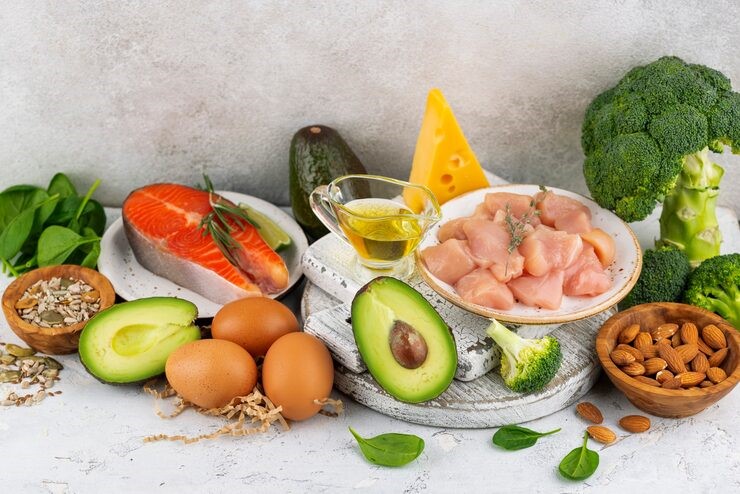
Protein is a highly effective nutrient for fat loss. Eating enough protein helps you:
- Reduce appetite by controlling hunger hormones such as ghrelin.
- Maintain lean muscular mass while decreasing fat.
- Food’s thermic impact can somewhat boost metabolism. (the energy your body uses to digest protein).
Practical tips for adding protein:
- Include protein in every meal, such as eggs, Greek yogurt, poultry, fish, tofu, or lentils.
- Aim to consume 0.8-1 gram of protein per pound of body weight per day.
Sample Meal Plan:
- Breakfast: Greek yogurt parfait topped with berries, chia seeds, and honey.
- Lunch: Grilled chicken salad with quinoa, spinach, avocado, and a light vinaigrette.
- Snack: Protein smoothie with almond milk, banana, and whey or plant-based protein.
- Dinner: Baked salmon with steamed broccoli, roasted sweet potatoes, and olive oil drizzle.
Tip: Protein-rich snacks between meals help curb cravings and prevent overeating at the next meal.
Fiber-Rich Foods: Bulk Without Extra Calories
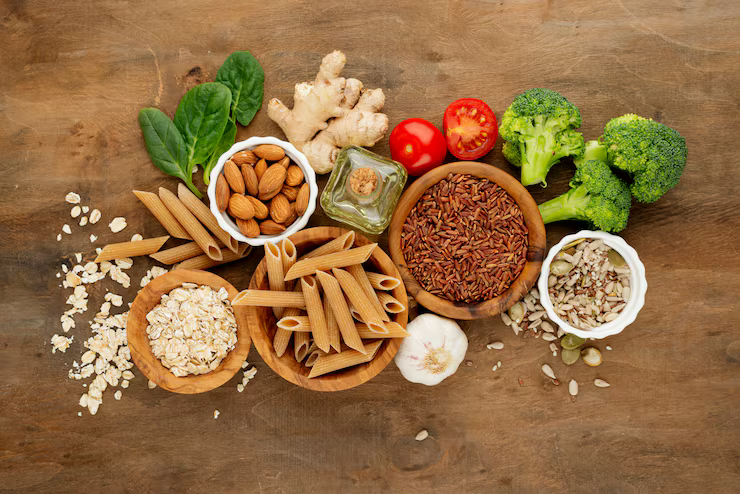
Fiber is another secret weapon for fat loss. High-fiber foods fill your stomach, slow digestion, and maintain steady blood sugar levels.
High-fiber foods include:
- Vegetables: broccoli, spinach, peppers, carrots
- Fruits: apples, oranges, berries, pears
- Whole grains: oats, quinoa, brown rice, barley
- Legumes: lentils, chickpeas, black beans
How to include more fiber:
- Start your day with a bowl of oatmeal topped with fruit and seeds.
- Add vegetables to every lunch and dinner plate.
- Snack on fruit, raw veggies, or air-popped popcorn.
Tip: Gradually increase fiber intake to avoid bloating, aiming for 25–30 grams per day.
Smart Carbs: Fuel Your Body Without Overeating
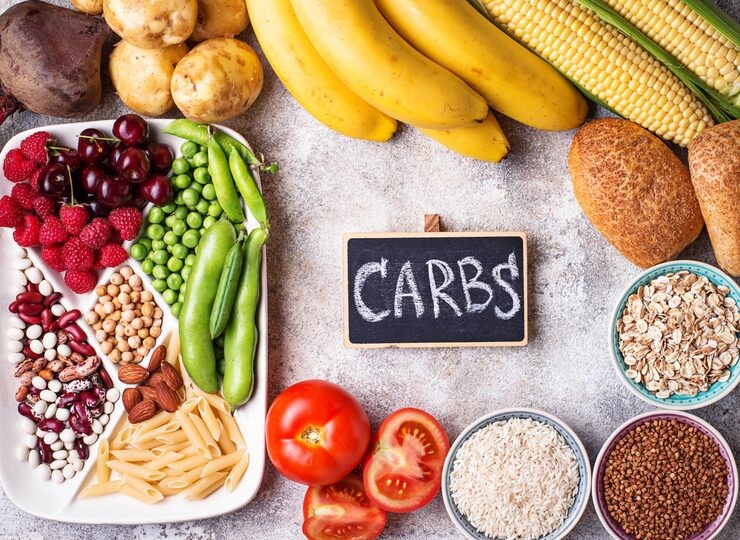
Carbohydrates often get a negative reputation, but they are your body’s main source of energy. The key is choosing complex carbs that keep you full longer and stabilize blood sugar.
Good Carb Choices:
- Sweet potatoes, brown rice, oats, quinoa
- Whole-grain bread and pasta
- Fruits and vegetables
Carbs to Limit:
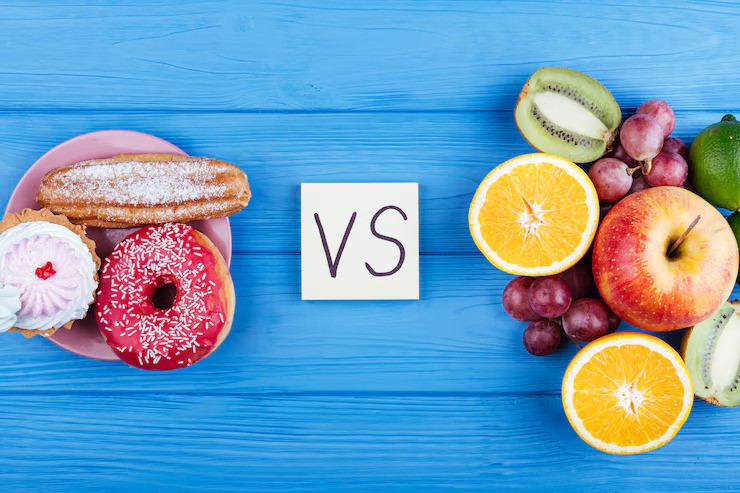
- Sugary snacks, pastries, white bread, and soda
- Highly processed foods that spike blood sugar and leave you hungry soon after
Tip: Pair carbs with protein or healthy fats to improve satiety and avoid energy crashes.
Healthy Fats Keep You Satisfied
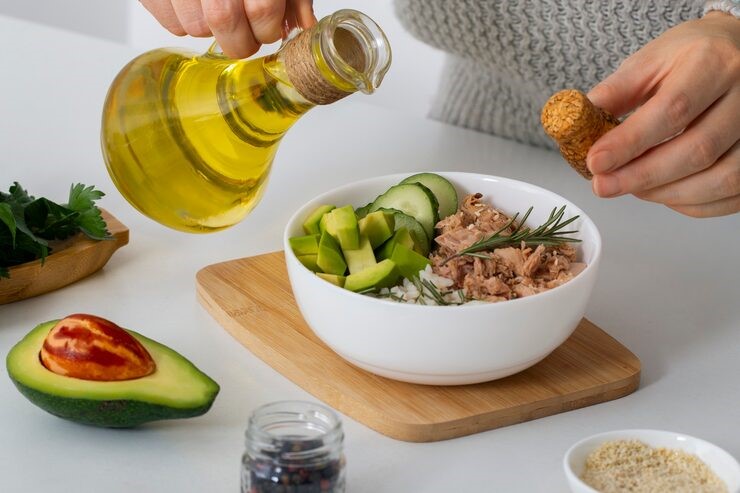
Fats are essential for hormone regulation, brain health, and preventing cravings. Including fats in your meals helps you feel full longer, reducing the urge to snack on unhealthy foods.
Sources of Healthy Fats:
- Avocado
- Nuts and seeds
- Olive oil
- Fatty fish like salmon, mackerel, and sardines
Tip: Even though fats are calorie-dense, portion control makes them a valuable part of a fat-loss diet. Using fats strategically in meals helps curb hunger and improve meal satisfaction.
Mindful Eating: Listen to Your Body
Many people overeat because they ignore hunger and fullness signals. Practicing mindful eating allows you to eat when you’re genuinely hungry and stop when you’re satisfied.
Mindful Eating Practices:
- Eat slowly and chew thoroughly.
- Avoid distractions like phones or TV while eating.
- Pause halfway through meals and assess your hunger.
- Ask yourself: “Am I actually hungry or just bored or stressed?”
Mindful eating not only prevents overeating but also improves your relationship with food, reducing guilt and anxiety around meals.
Meal Timing and Frequency: What Works Best?
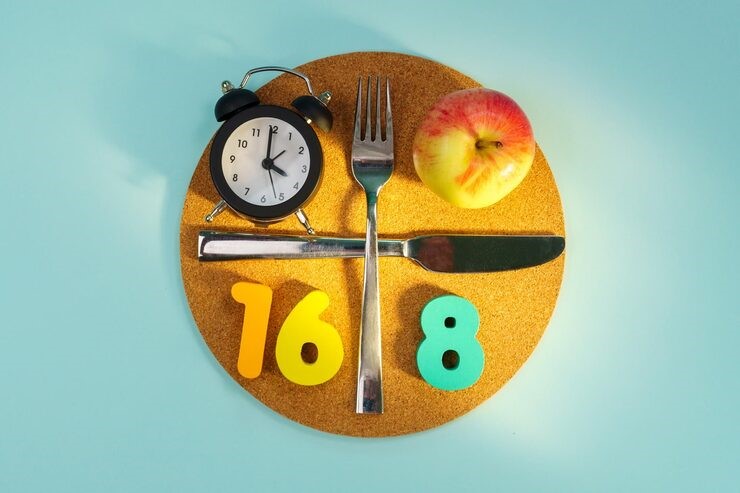
While meal timing isn’t as crucial as overall calorie intake, some strategies can help reduce hunger and support fat loss.
- 3 balanced meals + 1–2 snacks: Works well for most people to avoid feeling deprived.
- Intermittent fasting (optional): Can help some people eat fewer calories without conscious restriction.
Tips for Meal Timing:
- Include protein, fiber, and healthy fats in every meal.
- Never skip breakfast—it kickstarts metabolism and prevents late-morning cravings.
- Plan snacks like fruit with nut butter, Greek yogurt, or boiled eggs.
Hydration Matters
Dehydration is often mistaken for hunger. Drinking enough water helps you:
- Feel fuller
- Support digestion and metabolism.
- Reduce unnecessary snacking
Tip: Aim for 2–3 liters of water daily, more if you exercise or live in a hot climate. Herbal teas and water-rich foods like cucumbers, watermelon, and oranges also contribute.
Smart Strategies to Avoid Starving Yourself
- Volume Eating: Fill your plate with low-calorie, nutrient-dense foods (like veggies and lean protein) to eat more while consuming fewer calories.
- High-Protein Snacks: Nuts, boiled eggs, or protein shakes curb cravings between meals.
- Spices and Herbs: Add flavor without extra calories.
- Meal Prep: Pre-planned meals reduce impulsive eating and reliance on convenience foods.
- Track, Don’t Obsess: Monitor intake if needed, but avoid extreme restriction that leads to bingeing.
Common Mistakes That Lead to Starvation Diets
- Cutting calories too drastically
- Skipping meals
- Eliminating entire food groups
- Following fad diets blindly
These strategies may result in short-term weight loss but often lead to rebound weight gain, nutrient deficiencies, and constant hunger. The goal is sustainable fat loss, not rapid deprivation.
7-Day Meal Plan for Fat Loss (No Starving, No Crash Dieting)
Day 1
Breakfast: Oatmeal with almond butter & blueberries
Snack: Greek yogurt with chia seeds
Lunch: Grilled chicken salad with quinoa & mixed greens.
Snack: Apple with peanut butter
Dinner: Baked salmon with roasted sweet potatoes & broccoli
Day 2
Breakfast: Scrambled eggs with spinach & avocado
Snack: Handful of almonds + 1 fruit
Lunch: Lentil soup + whole-grain bread
Snack: Carrot sticks with hummus
Dinner: Grilled turkey with quinoa & asparagus
Day 3
Breakfast: Smoothie bowl (banana, oats, yogurt, chia seeds, berries)
Snack: Cottage cheese with pineapple chunks
Lunch: Brown rice with stir-fried vegetables & tofu/chicken
Snack: Mixed nuts or roasted chickpeas
Dinner: Baked fish fillet with green beans & mashed sweet potato
Day 4
Breakfast: Whole-grain toast with avocado & boiled eggs
Snack: 1 orange or grapefruit
Lunch: Chickpea salad with cucumbers, tomatoes, olive oil & lemon
Snack: Greek yogurt with honey
Dinner: Grilled beef or paneer with sautéed spinach & brown rice
Day 5
Breakfast: Protein pancake (oats + egg + banana) with berries
Snack: Peanut butter on 1 whole-grain cracker
Lunch: Tuna or bean salad with lettuce, corn, olives, and olive oil
Snack: A handful of walnuts
Dinner: Chicken curry (light oil) with quinoa or multigrain roti + a side salad
Day 6
Breakfast: Chia pudding with milk/yogurt, topped with nuts
Snack: Apple or pear
Lunch: Grilled vegetable wrap with hummus
Snack: Boiled egg or a protein bar (low sugar)
Dinner: Baked shrimp or chickpea bowl with rice & veggies
Day 7
Breakfast: Vegetable omelet with tomatoes, mushrooms, and spinach
Snack: Banana + 1 tbsp. peanut butter
Lunch: Rice bowl with chicken/beans, avocado, lettuce & salsa
Snack: Air-popped popcorn or fruit bowl
Dinner: Grilled salmon or tofu with roasted vegetables (carrots, zucchini, peppers)
Why This Meal Plan Works for Fat Loss
High protein—keeps you full longer
High fiber—prevents cravings
Balanced carbs—steady energy
Healthy fats support hormones.
No starvation—your metabolism stays active.
Variety—keeps meals satisfying
FAQ: Eating for Fat Loss Without Starving
Final Thoughts
Eating for fat loss doesn’t mean starving yourself. By focusing on protein, fiber, healthy fats, and smart carbs, practicing mindful eating, and building sustainable habits, you can lose fat without sacrificing your energy or enjoyment of food.
Remember, the goal is long-term health and happiness, not just a number on the scale. Fat loss without starvation is possible—and it starts with eating smart, not less.