Starting a gym routine for the first time can feel both exciting and intimidating. Walking into a room full of machines, weights, and people who seem to “know what they’re doing” can be overwhelming. The good news? Every fitness expert was once a beginner, and your journey starts the moment you step inside.
This comprehensive guide will help you get started at the gym with confidence, build a routine that works for your body and lifestyle, and achieve real results—without feeling lost or overwhelmed.
Why Going to the Gym as a Beginner Can Be Intimidating

It’s completely normal to feel anxious when starting at the gym. Common beginner fears include:
- Not knowing how to use the equipment.
- Worrying about being judged
- Feeling out of shape compared to others
- Not knowing which workouts to follow.
The key is to focus on yourself, plan, and take one step at a time. Confidence comes from preparation and consistency, not looking perfect on day one.
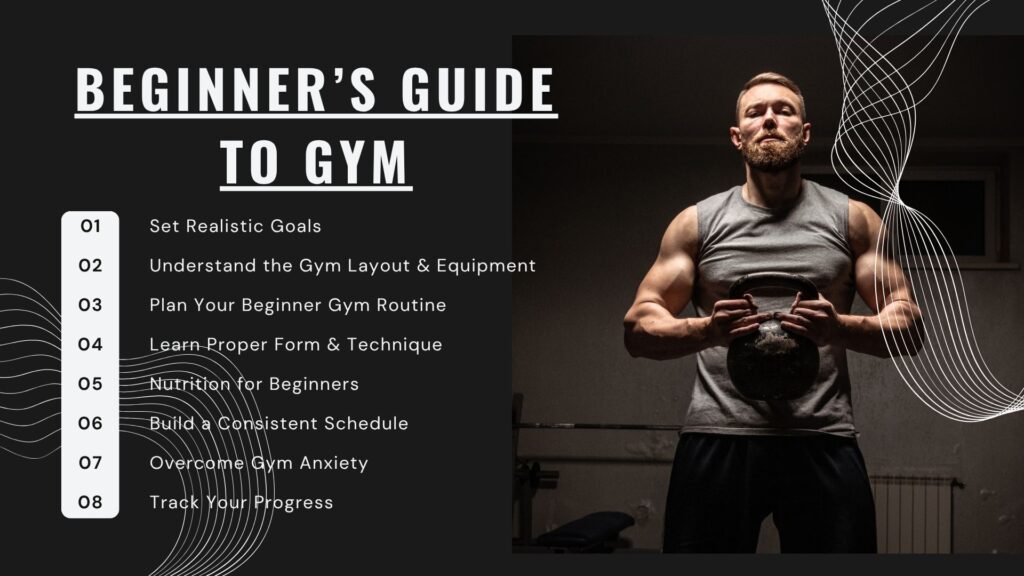
Step 1: Set Realistic Goals
Before stepping into the gym, ask yourself:
- Why do I want to go to the gym?
- Do I want to lose fat, gain muscle, improve strength, or just feel healthier?
- How much time can I realistically dedicate each week?
Having specific, measurable goals will guide your workouts. Examples:
- “I want to work out 3 times per week for 45 minutes to lose 5 pounds in 8 weeks.”
- “I want to do a full-body strength routine twice a week and cardio twice a week.”
Tip: Start small and achievable. Early success builds motivation and consistency.
Step 2: Understand the Gym Layout & Equipment
Familiarity reduces anxiety and saves time. Here’s what you need to know:
- Cardio Machines—Treadmills, ellipticals, stationary bikes, and rowing machines. Great for warming up and burning calories.
- Strength Machines – Machines guide your movement, making them perfect for beginners learning proper form.
- Free Weights—Dumbbells, barbells, and kettlebells. Excellent for building functional strength.
- Resistance Bands & Cables—Controlled, low-impact strength exercises for muscle activation.
- Stretching & Core Area – Mats, stability balls, and foam rollers for mobility and injury prevention.
Pro Tip: Most gyms offer orientation sessions. Take them—they’re a game-changer for beginners.
Step 3: Plan Your Beginner Gym Routine
A balanced beginner routine should target all major muscle groups, combine strength and cardio, and include flexibility/mobility work.
Sample 3-Day Beginner Routine:
Day 1: Full-Body Strength
- Bodyweight Squats – 3×12
- Dumbbell Bench Press – 3×10
- Seated Row (Machine) – 3×10
- Dumbbell Shoulder Press – 3×12
- Plank – 3×20–30 seconds
Day 2: Cardio & Core
- 20–30 minutes on a treadmill, bike, or elliptical
- Bicycle Crunches – 3×15
- Russian Twists – 3×12
- Leg Raises – 3×10
- Stretching – 5 minutes
Day 3: Full-Body Strength + Cardio
- Deadlifts (Light Dumbbells) – 3×10
- Lunges – 3×10 per leg
- Let Pull-down (Machine) – 3×12
- Dumbbell Bicep Curls – 3×12
- 10–15 minutes cardio finisher
Tip: Start light, focus on form, and gradually increase weight or intensity.
Step 4: Learn Proper Form & Technique
Form is more important than weight. Poor form can lead to injury and slow progress.
- Watch instructional videos—YouTube and fitness apps offer clear tutorials.
- Use mirrors—check posture and alignment.
- Ask trainers—a few minutes of guidance saves months of mistakes.
- Start light—increase the load gradually
Step 5: Nutrition for Beginners

Nutrition is just as important as working out. Key tips:
Protein—Supports muscle repair and growth. Include eggs, chicken, fish, tofu, or legumes.
Complex Carbs—Fuel your workouts. Try oats, brown rice, quinoa, and sweet potatoes.
Healthy Fats – Support hormones and recovery. Include avocado, nuts, and olive oil.
Hydration—Drink 2–3 liters of water daily.
Balanced Meals – Avoid crash diets; aim for sustainable eating.
Sample Beginner Meal Plan:
- Breakfast: Oatmeal, berries, and protein powder
- Snack: Greek yogurt + almonds
- Lunch: Grilled chicken + brown rice + veggies
- Snack: Apple and peanut butter
- Dinner: Baked salmon + quinoa + steamed broccoli
Tip: Track meals initially to understand your intake and avoid overeating.
Step 6: Build a Consistent Schedule
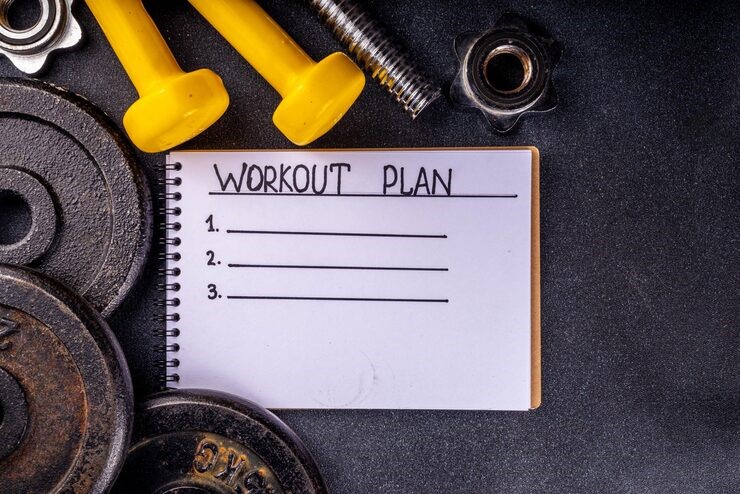
Consistency beats intensity. Even 30–45 minutes, 3–4 times per week, is enough for beginners to see results.
- Morning workouts: Great if you have busy evenings
- Evening workouts: Ideal if you’re more energized later in the day
- Mix strength and cardio days according to goals.
Pro Tip: Block gym sessions in your calendar—it makes skipping harder.
Step 7: Overcome Gym Anxiety
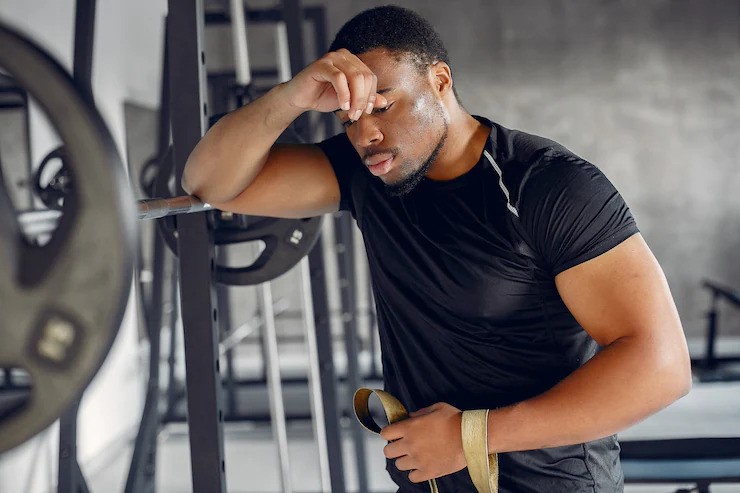
- Gym anxiety is normal. Overcome it by:
- Celebrating small wins
- Going during off-peak hours
- Bringing a friend for accountability
- Using headphones to focus
- Starting with machines, if free weights feel intimidating
Step 8: Track Your Progress
Tracking keeps you motivated and accountable. Consider:
- Performance markers—How much weight can you lift? How long can you do cardio?
- Workout log – Record exercises, sets, reps, weight
- Photos—weekly or biweekly for visual progress
- Measurements—Track waist, hips, arms, chest
Step 9: Recovery & Rest
Recovery is when your body grows stronger. Don’t skip it.
- Active recovery: Light walks, yoga, or swimming for circulation
- Sleep: 7–9 hours per night
- Stretching & foam rolling: Improves flexibility, prevents injury.
- Rest days: At least 1–2 per week
Step 10: Mindset & Motivation
Success starts in the mind.
- Progress, not perfection: Don’t compare yourself to others
- Small wins matter: Celebrate lifting heavier, running longer, or one more rep.
- Consistency is king: Missing a day isn’t failure.
- Visualize success: Picture yourself stronger, healthier, and more confident.
Week-by-Week Beginner Gym Plan
Week 1: Getting Comfortable
- 3 workouts per week
- Focus on learning exercises, light weights, and proper form.
- Mix 1 cardio session with full-body strength.
Week 2: Building Routine
- 3–4 workouts per week
- Add 1 extra strength session.
- Include core exercises and stretching.
Week 3: Increasing Intensity
- Slightly increase weight
- Add 10–15 minutes of cardio finisher.
- Focus on controlled movements.
Week 4: Challenge & Progress
- Introduce compound lifts (deadlifts, bench press) with proper form.
- Add cardio intervals (HIIT) for 10–15 minutes.
- Track improvements in strength, endurance, and energy
Weeks 5–8: Progressive Growth
- Gradually increase weights and reps.
- Add variety: kettlebell swings, resistance bands, and TRX.
- Mix cardio sessions with moderate-intensity steady state and HIIT.
- Continue tracking performance and measurements.
Warm-Up & Cool-Down Tips
Warm-Up (5–10 minutes):
- Jumping jacks or brisk walk
- Arm circles and shoulder rolls
- Leg swings or bodyweight squats
Cool-Down (5–10 minutes):
- Gentle stretching for major muscles
- Deep breathing to relax
- Foam rolling for sore muscles.
Common Beginner Mistakes
- Lifting too heavy, too soon
- Skipping warm-up or cool-down
- Ignoring proper form
- Comparing yourself to advanced gym-goers
- Poor nutrition or skipping meals
- Skipping rest days
Motivational Strategies
- Keep a fitness journal.
- Reward milestones (new workout clothes, massage)
- Join group classes or community challenges.
- Track small wins—energy, mood, and flexibility, not just weight.
Bonus: Home Workout Alternatives
For days you can’t go to the gym:
- Bodyweight squats – 3×15
- Push-ups – 3×12
- Glute bridges – 3×15
- Plank – 3×30 seconds
- Jumping jacks – 1 min
Tip: Short home workouts maintain consistency and habit-building.
Key Takeaways
- Everyone starts somewhere: confidence grows over time.
- Set clear goals: Know why you’re going to the gym.
- Learn proper form: Safety and effectiveness first.
- Plan your workouts: Full-body routines work best for beginners.
- Track your progress: Motivation comes from seeing results.
- Prioritize nutrition & recovery: Fitness is 70% lifestyle, 30% exercise.
- Consistency beats intensity: Stick with it—results follow.
Frequently Asked Questions
Final Thoughts
Starting at the gym doesn’t have to be scary. With a step-by-step plan, positive mindset, and realistic expectations, you can confidently take control of your fitness journey.
Remember: You are your only competition. Show up, stay consistent, and celebrate progress—no matter how small. Over time, you’ll gain stronger muscles, higher energy, better health, and confidence.
Lace up your sneakers, take a deep breath, and step into the gym. Your fitness journey begins now.
.