If you’re looking to build muscle without setting foot in the gym or buying any equipment, you’re in the right place. On Lawahub, we’re going full DIY today with a solid no-equipment muscle-building plan. These 10 workouts are easy to do at home, require zero gear, and are designed to help you gain strength, tone up, and feel better in 2026 and beyond.
Why home workouts work (even without equipment)
Many people assume that you need dumbbells, machines, or expensive gear to build muscle — but that’s not true. Bodyweight exercises (also called calisthenics) use your own body weight for resistance, and when done right with progressive overload, they can build strength and size just like gym workouts
Here are the key principles for getting muscle at home:
- Progressive overload: Even if you’re using no weights, you can make exercises harder by increasing reps, doing harder variations, reducing rest, or increasing time under tension.
- Compound movements: Many bodyweight moves target multiple muscle groups (e.g., push-ups work the chest, triceps, and core.
- Consistency + recovery: Muscle is built during rest as much as during the workout. Give your body time.
Form matters: Doing fewer reps with perfect form is better than lots with sloppy technique—especially at home.
How to use this guide
- Track your progress — if it becomes too easy, increase reps, slow the tempo, or switch to a harder variation.
- Choose 4-6 of the exercises below and build a circuit (one after the other).
- Perform 2-4 rounds, depending on your fitness level.
- Aim for 8-15 reps of each move (or hold variations where applicable).
- Rest 30-60 seconds between exercises, 1-2 minutes between rounds.
- Do this 2-4 times a week (with at least a day or two of rest or lighter activity) for optimal results.
10 Best No-Equipment Home Workouts to Build Muscle
1. Push-Up
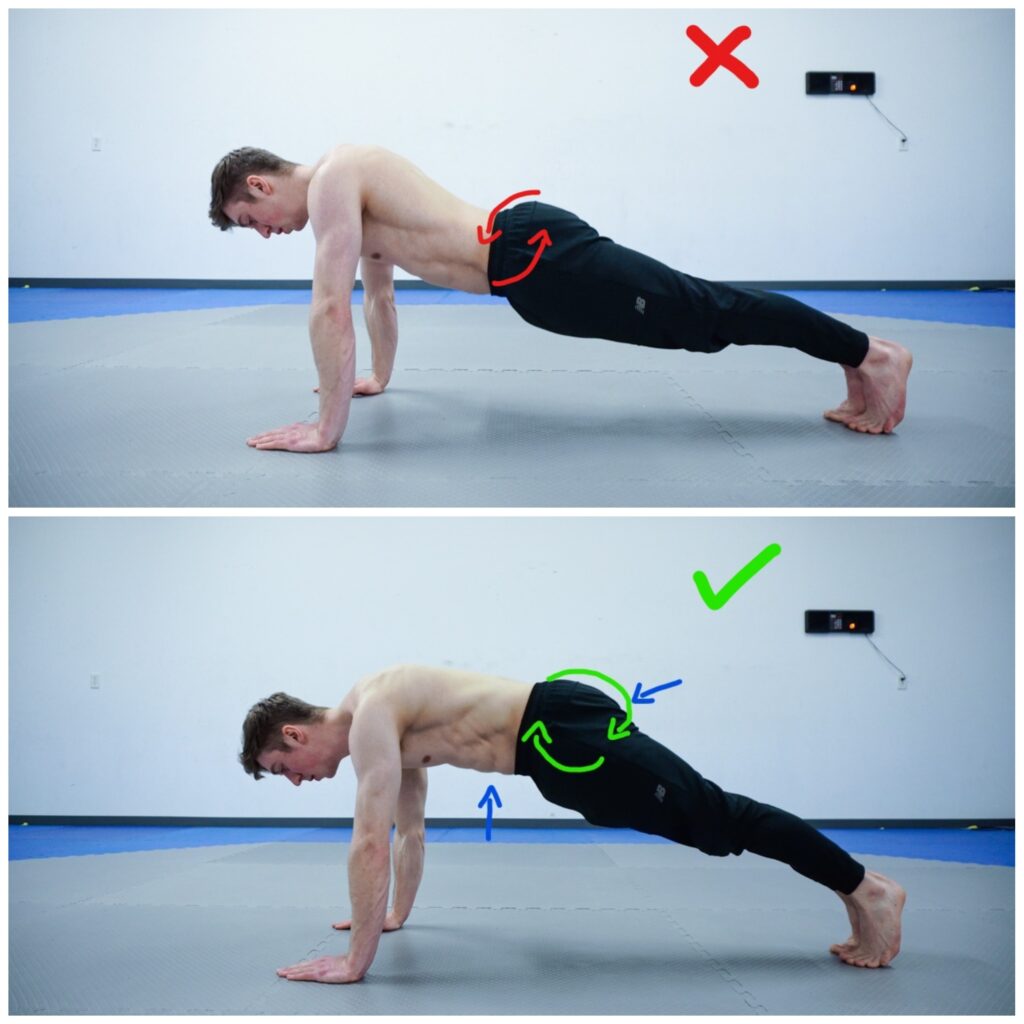
How to: Start in plank position, hands just outside shoulders, body in a straight line. Lower until your chest almost touches the floor, then push up.
Why it builds muscle: It works the chest, shoulders, triceps, and core. Studies show bodyweight push-up progressions can deliver strength gains
Progression tips:
- If too hard, do knee push-ups or elevate the hands.
- If too easy: Try decline push-ups or slow down the lowering phase.
2. Bodyweight Squat
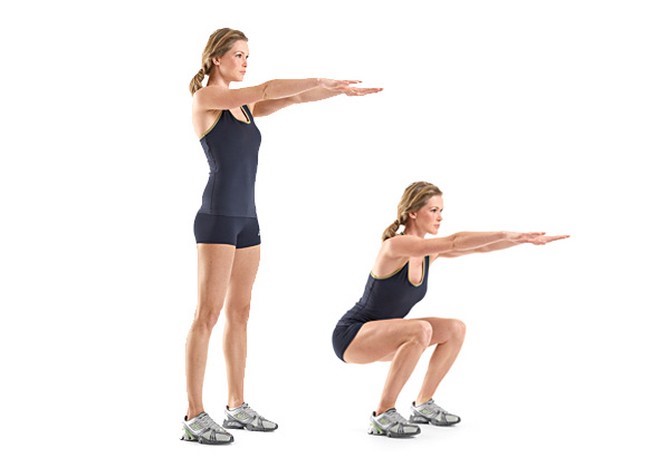
How to: Stand with feet shoulder-width apart, toes slightly out. Bend knees and hips, push hips back, keep chest upright, lower until thighs are parallel (or as low as comfortable), then rise through heels.
Why it builds muscle: Targets quads, hamstrings, and glutes, and also helps core stability. Progression tips:
- Too easy: Try jump squats or one-legged (pistol) squats.
- Focus on slow tempo (3 seconds down, pause, up) to increase tension.
3. Lunge (Forward or Reverse)
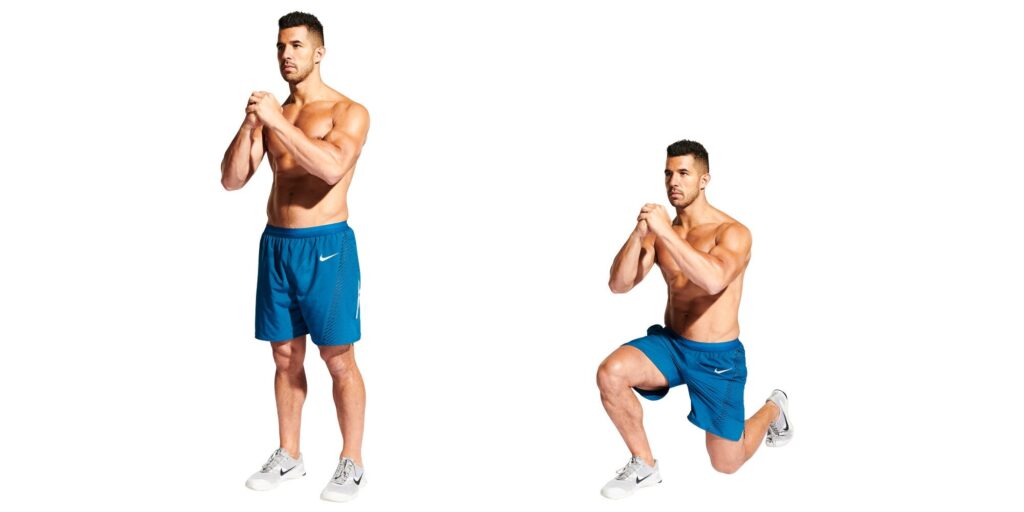
How to: Step one leg forward (or back for reverse lunges), lower until both knees are ~90°, with the front knee above the ankle, then push back to start. Switch legs.
Why it builds muscle: Great for glutes, quads, and hamstrings, and helps unilateral strength (balance).
Progression tips:
- Keep your knee aligned; avoid letting it collapse inward.
- Add walking lunges, slow the movement, or hold the bottom position for a moment.
4. Plank / Forearm Plank
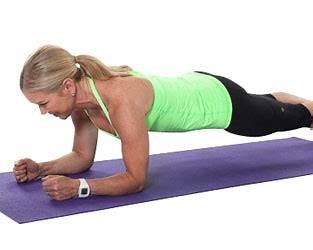
How to: On forearms (or hands), body in a straight line from head to heels, core braced, glutes tight. Hold for 20-60 seconds or more.
Why it builds muscle: Though not a big “bulk” move, planks improve core stability, which is essential for many strength movements.
Progression tips:
- Avoid sagging hips or a rounded back.
- Side planks, planks with shoulder taps, or extended hold times.
5. Mountain Climbers
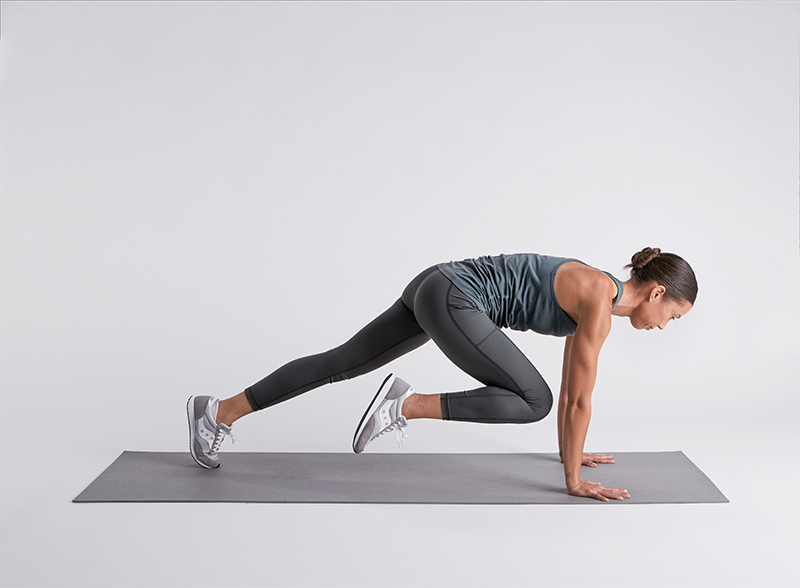
How to: Start in high plank (hands under shoulders). Quickly drive the right knee toward the chest, then switch, alternating legs in a “running” motion.
Why it builds muscle and cardio: works core, shoulders, and legs and elevates heart rate. Excellent for strength and endurance.
Progression tips:
- Increase speed for more cardio.
- Slow down the movement and hold at the top for more muscle engagement.
6. Burpees
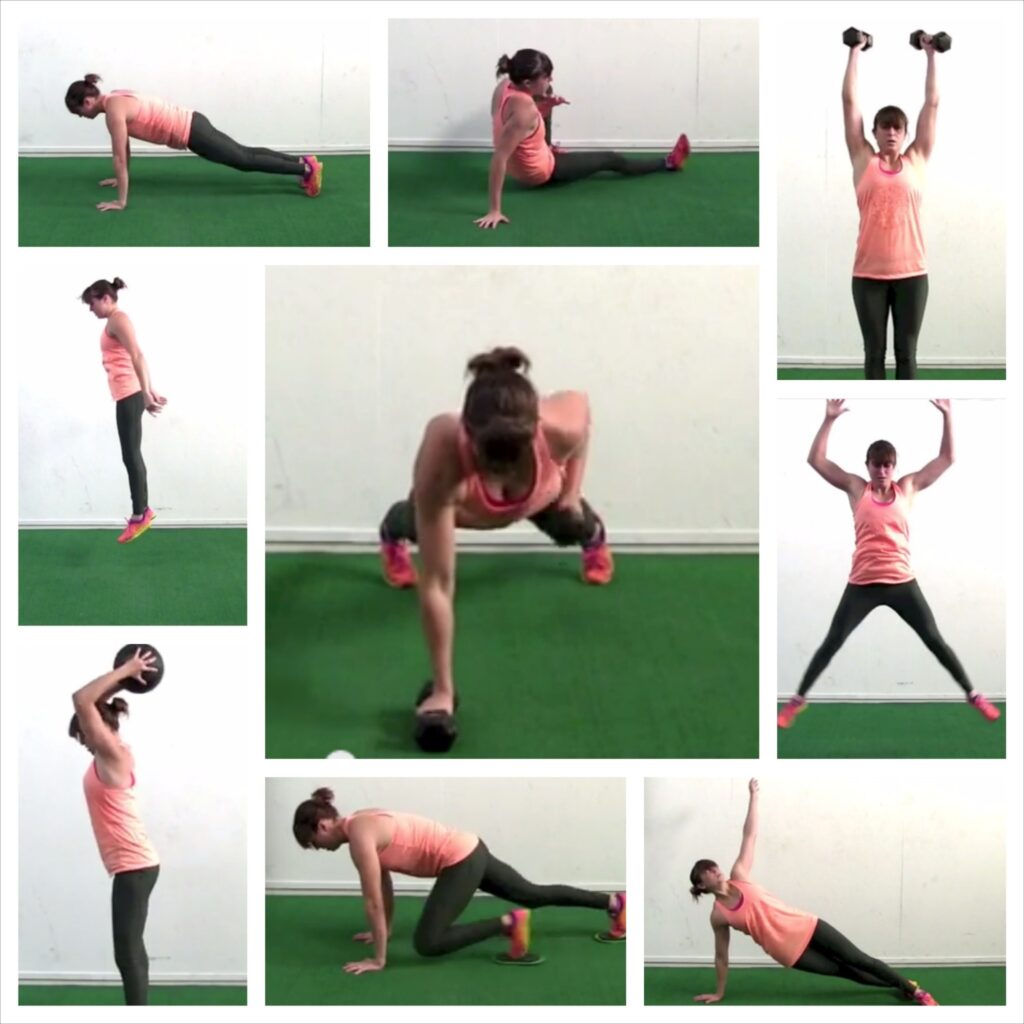
How to: From standing, drop into a squat, place hands on the floor, jump feet back into plank or push-up position, do a push-up (optional), jump feet back to hands, and explosively jump up.
Why it builds muscle: Full-body, hits chest, arms, legs, and core—amazing for overall strength and conditioning.
Progression tips:
- For cardio and endurance, speed it up.
- For strength, slow down the push-up part.
7. Glute Bridge / Hip Thrust (Bodyweight)
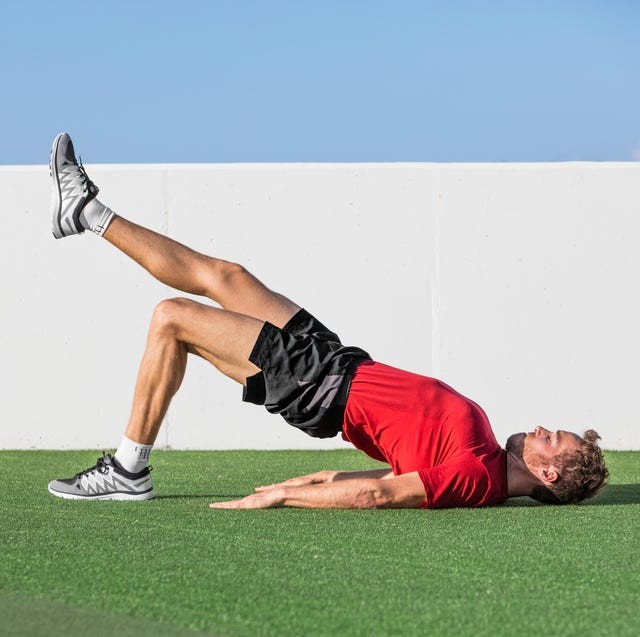
How to: Lie on your back, knees bent, feet flat on the floor. Drive your hips upward until your body forms a straight line from shoulders to knees, squeeze your glutes, then lower.
Why it builds muscle: Excellent for glutes and hamstrings, which often don’t get enough attention in bodyweight routines.
Progression tips:
- Increase the hold at the top or slow the lowering phase for more tension.
- Try single-leg glute bridges.
8. Dips (Using a Chair or Edge)
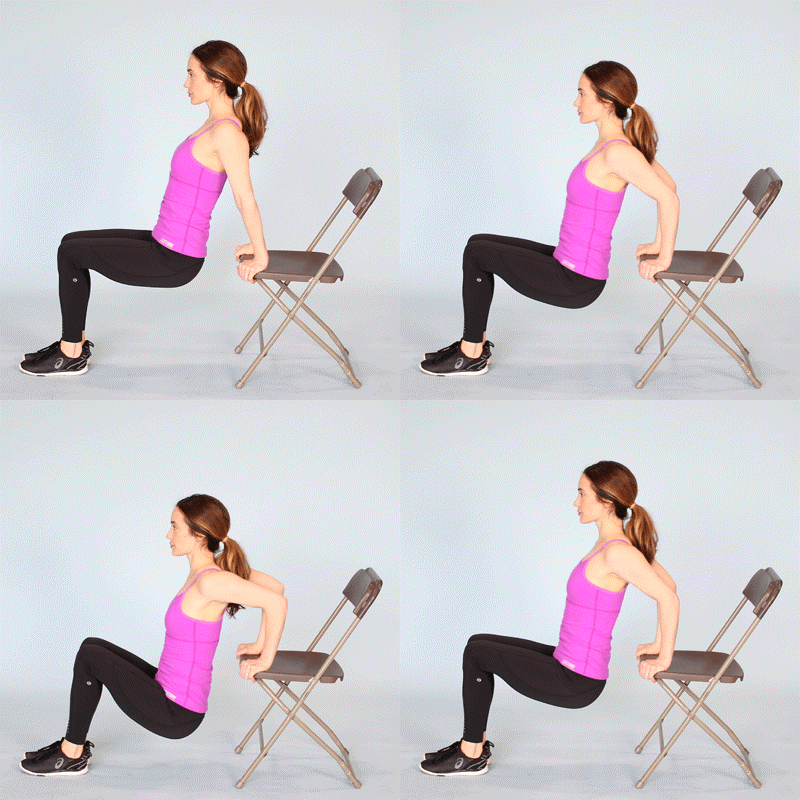
How to: Sit on the edge of a chair/bench, hands beside hips. Slide forward so hips off seat, legs extended (or bent for easier). Lower your body by bending your elbows until ~90°, then push up.
Why it builds muscle: Targets triceps, chest, and shoulders — important pull-vs-push balance.
Progression tips:
- Elevate feet or add pause at bottom.
- Straighten legs for more challenge.
9. Inverted Rows or Bodyweight Rows (Under Table)
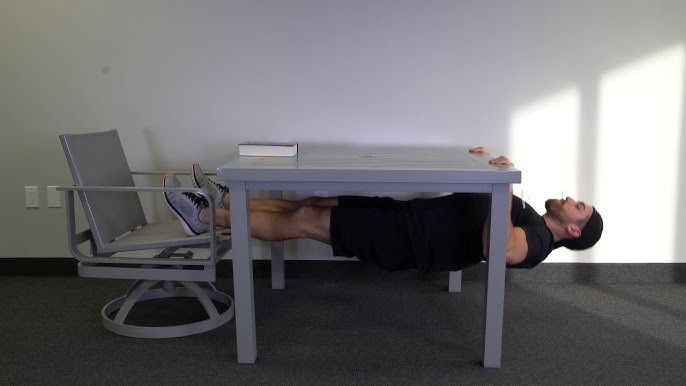
How to (if available): Lie under a sturdy table or a low bar, grasp the edge, keep feet straight, and keep body rigid. Pull your chest toward the table/edge, then lower your back.
Why it builds muscle: It works the back and biceps and improves posture—often neglected in home routines.
Progression tips:
- Increase the angle (feet further out) for more challenge.
- If there is no table/bar, use a towel loop over the door or wall rows.
10. Single-Leg Romanian Deadlift (Bodyweight)
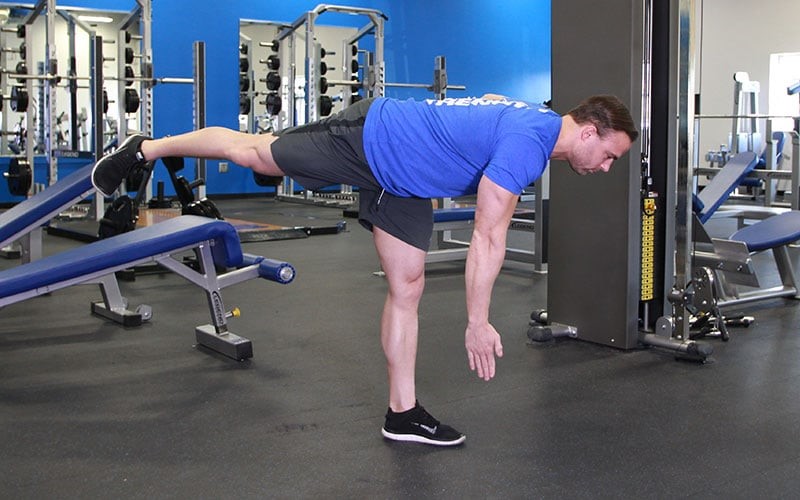
How to: Stand tall. Shift weight onto one leg, hinge at the hip, keep your back straight, and reach the opposite hand toward the floor as the other leg extends straight behind you. Return to upright.
Why it builds muscle: It hits hamstrings, glutes, and core and improves balance and unilateral strength.
Progression tips:
- Add a pause at the bottom or hold a slight weight (book bag) if available.
- Slow the lowering phase.
Bonus Tips for Muscle Building at Home
- Mind-muscle connection: Focus on feeling the muscle working, not just going through the motions.
- Warm up before each session (5-10 minutes: light cardio, dynamic stretching).
- Cool down & stretch after your workout to aid recovery.
- Nutrition matters: Building muscle requires sufficient protein, calories, and sleep. If you train hard but don’t eat well or rest, gains will be limited.
- Progress and vary: Once you can do 15+ reps easily, switch to a harder variation or add more rounds.
- Stay consistent: If you skip days or don’t challenge yourself, progress will stall.
- Rest & recovery: Muscles grow when you recover. Don’t train the same muscle groups hard two days in a row.
Sample 30-Minute Home Workout (No Equipment)
- Warm-up: 5 min (jumping jacks, arm swings, leg swings)
- Round 1:
- Cool down: 5 min stretching (hamstrings, quads, chest, shoulders)
- Push-ups – 10-15
- Bodyweight squats – 15-20
- Plank – 30-45 sec
- Glute bridges – 15-20
- Single-leg Romanian Deadlift – 8-10 each leg
- Rest 60 seconds
- Round 2: Repeat the same (or pick 5 new moves from above)
- Optional Round 3: If you still have energy
Final Word
You absolutely can build muscle without any equipment—yes, even at home in your living room. The key is smart training, good form, progression, and consistency. These 10 exercises give you a full-body plan to get stronger, leaner, and fitter in 2026.
If you stick to the plan, eat well, rest well, and keep challenging yourself, you’ll see results. And if you want more home-workout routines, variations, or a full 8-week plan, I’ve got you—just say the word.
Here’s to becoming stronger, at home